Blog
Retail Lighting Display: How to Light Product Displays for Maximum Impact?
Focused lighting enhances coffee shop bartender area
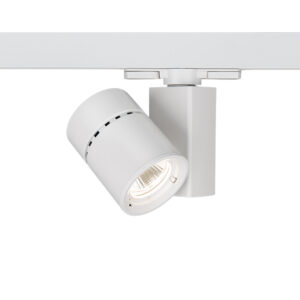 Exterminator II 1023 W Track Luminaire
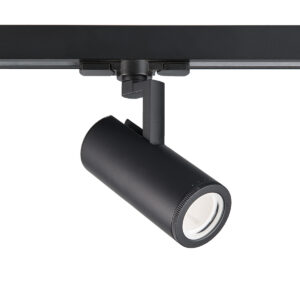 Paloma 4023 22W W Track Luminaire
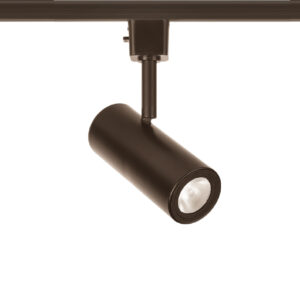 Silo X10 10W H/J/L Track Luminaire
Display lighting is one of the most influential elements in retail design. It highlights your most important products, creates visual hierarchy, and shapes the customer’s path through the store. While general lighting sets the overall atmosphere, display lighting is what truly makes products stand out — and what directly influences sales.
This guide covers the best ideas, techniques, and fixtures for lighting product displays in modern retail stores across the USA.
1. What Is Retail Display Lighting?
Warm display lighting creates inviting atmosphere in coffee shop seating area
Retail display lighting refers to the specific lighting used to illuminate:
- wall displays
- shelving units
- centre floor tables and gondolas
- mannequins
- promotional displays
- window installations
The goal is simple: make products more visible, more attractive, and more desirable.
Trusted by Clients Across Different Spaces and Industries
2. Why Display Lighting Has the Biggest Sales Impact?
Suspended track lighting directs precise illumination onto featured retail displays
Display lighting is where lighting design meets product strategy.
Good display lighting:
- draws customer attention
- highlights new or high-margin items
- increases perceived product value
- improves texture and colour
- creates emotional response
- makes merchandising look intentional
- increases time spent browsing
Retailers notice the biggest improvement in sales when display lighting is done correctly — even more than when upgrading general ambient lighting.
3. Best Fixtures for Retail Display Lighting
Bakery displays highlighted with lighting that enhances texture and product freshness
Below are the fixture types most commonly used for high-impact display lighting.
Adjustable Track Spotlights
The most important fixture in display lighting.
They allow you to:
- aim the beam precisely
- change display lighting instantly
- highlight product zones
- adapt to seasonal changes
Track lighting is the backbone of all professional retail display design.
Narrow-Beam Accent Lights
Used for dramatic “spotlight effects” on:
- mannequins
- hero products
- premium items
- small feature displays
Narrow beam angles (15°–24°) create depth and visual punch.
Mini Spotlights & Display Lights
Used in:
- shelves
- display cases
- feature cubes
- jewellery and cosmetics
They add focused light to small products that often get lost under general lighting.
Shelf Lighting (Under-Shelf / Back-Lit)
Extremely effective for:
- cosmetics
- skincare
- tech accessories
- jewellery
- home décor
Shelf lighting increases clarity and makes products feel more premium.
Window Display Lighting
Uses a mix of bright accents and high CRI spotlights to draw shoppers from the street.
4. How Beam Angles Shape Display Lighting?
Office setting uses display lighting to define work zones and visual clarity
Beam angle determines how wide or narrow the light spreads.
This is a key design tool for display lighting.
- 15°–24° (narrow) = dramatic highlights, strong focus, ideal for hero displays
- 24°–36° (medium) = balanced accent lighting for racks, tables, mannequins
- 60° (wide) = general wash for larger display areas
Choosing the right beam angle is critical for making displays visually striking.
Your system’s ability to switch between 15° and 60° reflector lenses is a major advantage.
5. Create Contrast to Make Displays Pop
Focused lighting highlights featured handbag display inside modern bag store
Contrast is one of the strongest tools in retail lighting.
Use contrast to:
- make featured products stand out
- separate displays from surrounding areas
- add depth and dimension
- create a sense of premium presentation
A display lit brighter than its surroundings immediately communicates importance.
6. Lighting Wall Displays and Shelving Units
Retail bag store illuminated to emphasize product details and premium presentation
Wall displays are major revenue zones in most retail stores.
For best results:
- position track lighting 900–1200 mm from the wall
- aim the light at a 30°–45° angle
- use high CRI lighting for accurate colours
- avoid shadows on product fronts
- add under-shelf lighting where needed
This creates even vertical illumination and makes wall displays feel organised and high-end.
7. Lighting Mannequins and Feature Displays
Soft display lighting enhances hijab textures and color accuracy
Mannequins must look sculptural, flattering, and three-dimensional.
Use:
- two-point cross lighting (two beams from different angles)
- warm tones (3000K) for flattering light
- narrow to medium beam angles
- high CRI for fabric accuracy
Avoid lighting mannequins directly from above — it causes harsh shadows on faces and clothing.
8. Lighting Centre Floor Displays
Clothing store displays enhanced with directional lighting for visual hierarchy
Tables, gondolas, and free-standing racks need consistent illumination without glare.
Designers typically use:
- medium beam track spotlights
- angled lighting from multiple directions
- slight overlap of beam spreads
The goal is to create even brightness across the display while still sculpting depth.
9. Window Display Lighting
Apparel racks illuminated to draw attention to featured garments
Window displays are often the most important merchandising zone.
Effective window lighting:
- uses strong accent lighting
- includes narrow beams for drama
- uses high CRI for accurate colour
- ensures night-time visibility
- avoids reflections by aiming lights correctly
Your window display lighting determines how many people walk into the store.
10. Choosing Colour Temperature for Display Lighting
Black track lighting provides contrast and focus for retail product displays
Colour temperature strongly influences how products appear.
Use:
- 3000K for warm, rich, boutique-style displays
- 3500K for natural, balanced product illumination
- 4000K for crisp, modern displays (tech, electronics)
- 5000K only for specialty or daylight simulation
Your 5-CCT capability allows display lighting to shift with seasons, branding updates, or campaigns.
11. Display Lighting for High Ceilings
Fresh produce area illuminated to enhance color vibrancy and product appeal
Stores with tall ceilings need specific lighting adjustments:
- use higher-output track lights
- choose narrow beam reflectors
- suspend track systems closer to product height
- use multiple angles to avoid flat lighting
High-ceiling display lighting must bridge the gap between fixture and merchandise.
12. Refresh Display Lighting Seasonally
Bakery shelving highlighted with targeted lighting to attract customer attention
Display lighting should evolve with:
- new collections
- promotions
- seasonal merchandising
- updated store layouts
- holiday windows
Re-aiming track heads regularly keeps the store dynamic and visually engaging.
13. Common Mistakes in Retail Display Lighting
Salon waiting area accented with focused lighting for a calm, polished atmosphere
Avoid these issues:
- lighting displays from directly overhead
- flat, shadowless lighting
- inconsistent brightness
- poor CRI causing dull colours
- too-wide beam angles washing out the display
- underlighting premium items
- mixing colour temperatures accidentally
Fixing these instantly elevates any retail display.
Final Thought
Great display lighting makes products more visually appealing, highlights your brand identity, and creates a store experience that feels purposeful and memorable.