Blog
What Determines Commercial Track Lighting Price — What You Should Know Before Buying
Black track lighting system used for flexible commercial lighting installations
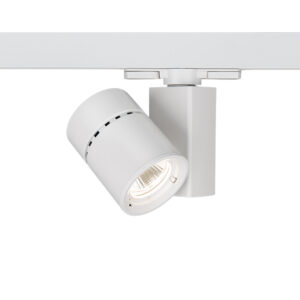 Exterminator II 1023 W Track Luminaire
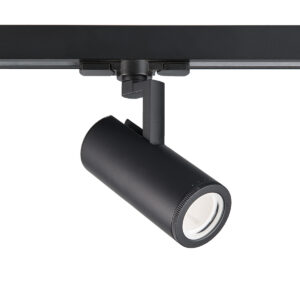 Paloma 4023 22W W Track Luminaire
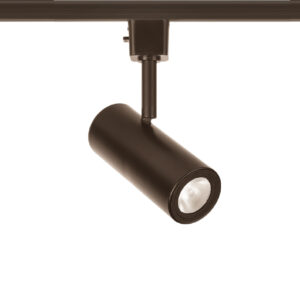 Silo X10 10W H/J/L Track Luminaire
If you’re looking to outfit a retail store, office, gym, restaurant, gallery or any commercial space, pricing for track lighting isn’t just about the sticker on the box. The final cost depends on a range of factors — components, quality, features, quantities, and project-specific needs. Understanding these helps you get the right lighting at the right value.
Core Components That Affect Price
White track lighting providing clean, efficient illumination for professional interiors
When you buy commercial track lighting, what you’re actually paying for isn’t just a “light.” Many parts and considerations go into what determines price. Key cost-drivers include:
1. Light Fixture Quality & Specifications
- Wattage & lumen output — A 20–30W LED track head versus a 35–40W (or higher output) unit will differ in price. Higher wattage + better optics = more expensive.
- Color rendering (CRI), color temperature (CCT), beam angle adjustability — High-CRI LEDs, selectable CCT, and precise beam optics raise cost. Cheap fixtures often skimp here.
- Build materials & driver quality — Die-cast aluminum housings, robust LED drivers (flicker-free, dimmable), proper heat sinks, and quality internal components add to durability — and price.
- Integrated LED vs. bulb-based track heads — Discount sellers may offer bulb-based track heads (cheap upfront but inferior performance). Integrated-LED commercial heads are costlier but far higher performing.
2. Track System & Accessories
Lighting isn’t just heads — you need track rails (H-type or compatible), connectors (L, T, X, joiners), power feeds, end caps, suspension kits for high or exposed ceilings, and more. Suppliers that bundle these components or provide full kits will naturally cost more upfront than “fixture-only” retailers.
3. Stock, Warranty & Support Level
A supplier with strong U.S. stock, reliable warranty (3-5 years or more), and responsive after-sales support will charge more than overseas-only importers or budget resellers. That added cost pays off in reliability and long-term value.
4. Volume & Bulk Purchase Discounts
For single fixtures or small orders, per-unit cost tends to be higher. When you buy in bulk (for a store rollout or multiple locations), many suppliers — especially manufacturer-direct — offer volume discounts that substantially reduce per-unit price.
5. Shipping, Handling & Compliance
Shipping large quantities (track rails plus heavy metal fixtures), ensuring packaging, compliance with electrical standards, safe wiring, and meeting commercial usage ratings — all add to cost. Suppliers that factor in these variables will price accordingly.
Client Experiences That Reflect Our Commitment to Great Lighting
What Street Pricing Looks Like (as of 2023–2025)?
Track lighting installed to support adaptable layouts in commercial spaces
Because of the variation in fixture quality, specs, and supplier type — the price range for commercial track lighting in the U.S. is broad. Below are typical ballparks based on current market data 👇
| Product / Setup Type | Typical Price Range (USD) |
| Basic Track Kit / Starter Kit (track rail + connectors + basic heads) — small installs, light fixtures | From ~ US $50–$120 for entry-level kits. Lumens.com+1 |
| Standard LED Track Head (20–30W, moderate CRI/optics) | Around US $70–$140 per head. Modern Lights+1 |
| Premium Commercial LED Track Head (30W+, high CRI, selectable CCT, good optics) | Typically US $120–$200+ per head. Alcon Lighting+1 |
| Full Commercial-Grade Track Lighting System for Medium-size Space (multiple heads + rails + accessories) | Often US $300–$800+ depending on scale, quality, and features. 4frontenergy.com+1 |
⚠️ What that means in practice?
- Buying cheapest possible track lighting often gets you lower output, poor CRI, weak warranty, and limited lifespan — not ideal for retail, galleries, or high-traffic commercial spaces.
- Investing in higher-quality, commercial-grade systems costs more upfront but provides better light quality, reliability, easier maintenance, and long-term value.
Hidden Costs You Shouldn’t Forget
Five CCT switch located on track lighting for adjustable color temperature
When budgeting — don’t just count lights. Some frequently overlooked costs:
- Installation and labour — mounting tracks, wiring, power feeds, and secure suspension may require a licensed electrician.
- Spare parts / backup units — having spare track heads or drivers helps reduce downtime if one fails.
- Potential dimmer, control system, or driver replacements — especially for systems needing dimming or advanced control.
- Replacement schedule / maintenance — lower-end LEDs may degrade faster, leading to earlier replacement and extra cost.
- Lighting planning and layout design — if you need custom layouts (especially in retail/showroom spaces), some suppliers or consultants may charge extra.
When Cheaper Makes Sense — And When to Spend More?
Coffee shop interior lit with track lighting for warm, controlled ambiance
✅ Cheaper (Budget Lighting) — When It’s Okay:
- Small offices, break rooms, storage areas, or back-of-house zones where aesthetics and perfect color rendering aren’t critical.
- Temporary setups, pop-up shops, or short-term usage where lifespan isn’t as important.
- Projects with very tight budgets and flexible lighting requirements.
💡 Invest in Premium Lighting — When It Matters:
- Retail, showrooms, boutiques — where product appearance and lighting quality can influence sales.
- Galleries, art studios — color accuracy (CRI) is non-negotiable.
- Hospitality, restaurants, hotels — lighting contributes heavily to ambiance and customer experience.
- Gyms, fitness studios — spaces requiring durable, high-output lighting that runs many hours a day.
- Multi-location rollouts or franchises — consistency across locations and long-term durability justify higher upfront investment.
How to Get the Best Price: Smart Buying Strategies?
Black track lighting delivering focused illumination with modern commercial aesthetics
To stretch your budget without compromising quality, follow these best practices:
1. Buy in Bulk (Factory-Direct or Wholesale)
Buying multiple units at once — fixtures, tracks, accessories — usually comes with volume discounts. Many manufacturers give price breaks when ordering 10, 20, 50+ fixtures.
2. Work With a Supplier That Holds Local Stock
Domestic warehouses mean lower shipping, faster delivery, easier returns/replacements — often cheaper overall when factoring in shipping and downtime costs.
3. Balance Spec vs. Need — Don’t Over-spec
You don’t always need 40 W high-output heads or high-CRI optics everywhere. Mix high-quality fixtures in key zones (display walls, feature areas) with lower-cost lights in utility areas — saves money without sacrificing quality where it counts.
4. Ask for a Complete Kit Quote (Track + Heads + Accessories + Installation)
Bundled quotes (rails + heads + connectors + feeds + installation) often end up cheaper than buying everything separately from different suppliers.
5. Plan Ahead & Order Spares
Including 5–10% extra fixtures or spare heads in first order reduces cost per unit and avoids expensive rush replacements later.
Why Manufacturer-Direct Providers Often Offer the Best Value?
Laboratory space illuminated using track lighting for precise task visibility
Working with a supplier who manufactures and distributes directly tends to minimize unnecessary markups and ensures consistency. Advantages:
- Lower per-unit cost — no middle-man cost layers.
- Higher quality control — better LED chips, consistent CRI, precise optics, reliable drivers.
- Bulk and repeat order support — ideal for multiple store rollouts.
- Warranty and after-sales handled directly — faster replacements, no third-party delays.
- Easier spec matching and project customization — for lighting plans that fit your exact layout and budget.
For any serious commercial or retail project, direct suppliers often balance cost, quality, and support better than retail or cheap import sellers.
Sample Budget Scenarios — What to Expect For Typical Projects
Black track lighting fixture supporting directional control in commercial environments
Small Retail Boutique (Retail Floor ~50 sqm / ~500 sq ft)
- ~8–10 track heads, 20–30 W each, moderate optics & CRI
- Necessary rails, connectors, track sections, power feed + installation
- Estimated Budget: US $900–$1,500 all-in (lights + rails + install)
Medium Size Showroom / Gym (200–300 sqm / ~2,000–3,200 sq ft)
- ~25–40 track heads (mix of 30–40 W), some high-CRI, some standard
- Full track system + suspension for high ceiling + controls/dimming
- Estimated Budget: US $3,500–$6,000 depending on quality and features
Multi-Location Rollout (5–10 stores, ~100 sqm each)
- Bulk purchase of identical lighting kits for consistency
- Volume discount — might save 20–40% off total retail equivalent price
- Estimated Budget per location: ~US $1,200–$2,000 (lights + rails + install)
These ballpark figures illustrate how costs scale with size, specs, and scope.
Final Advice: Price Isn’t Everything — Value Is
Lab environment using track lighting for consistent, glare-controlled illumination
When you shop for “commercial track lighting price,” don’t aim for just the lowest number — aim for best value. Cheaper fixtures can cost more long-term when you factor in failures, replacements, poor light quality, or downtime. On the other hand, investing a bit more upfront in quality fixtures, reliable suppliers, and full kits often pays off many times over in lifespan, performance, and ease of maintenance.
If you want — I can build a spreadsheet template showing cost vs quality vs lifecycle cost (fixture, installation, electricity, replacement) for commercial track lighting: helps you justify price to decision-makers.