Blog
Track Lights: How to Choose the Best Track Light Heads (Complete Buyer’s Guide)
Kitchen interior featuring track lighting that enhances brightness, visual balance, and modern aesthetic appeal.
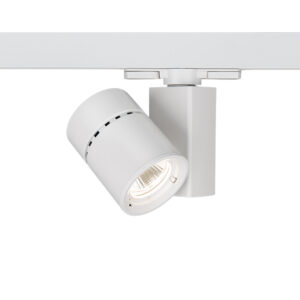 Exterminator II 1023 W Track Luminaire
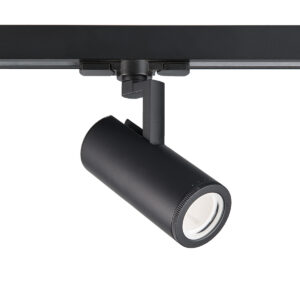 Paloma 4023 22W W Track Luminaire
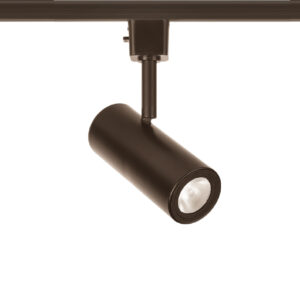 Silo X10 10W H/J/L Track Luminaire
Track lights are one of the fastest ways to modernise a space and immediately improve lighting quality. They are clean, architectural, adjustable, and surprisingly powerful when chosen correctly. But there is one major issue: most people buy the wrong track lights.
They choose a track head that is too weak, the wrong beam angle, the wrong colour temperature, or a low CRI option that makes the entire space feel flat. The result is “lighting that works”, but does not feel premium.
This guide will help you choose the right track lights for your project, whether you are installing track lighting in a kitchen, living room, retail store, office, or gallery style environment. You will learn the difference between track lights and track systems, how to select beam angles, brightness levels, and colour temperature, and what features matter most when performance and aesthetics both matter.
If you are looking for a complete guide to the entire track system including track compatibility, connectors, installation layouts, and how to design the full setup, we recommend reading our full guide here:
Internal link: Track Lighting Complete Guide + Shop Track Lighting (Money Page)
What are track lights?
Black track lighting delivers strong, focused brightness while enhancing a modern interior aesthetic.
Track lights are the adjustable light heads that attach to a track lighting system. In other words, the “track” is the powered rail installed on the ceiling, while “track lights” are the individual fixtures that click into that rail and shine directional light.
This is important because many people search “track lights” when they actually mean the full system. But often they are specifically looking for the fixture itself. They want to compare different track heads and choose the right ones for their room.
Track lights are used for two main purposes. The first is task lighting, which means lighting an area where work happens such as a kitchen bench or desk. The second is accent lighting, which means highlighting something such as artwork, product displays, or feature walls. Many track lights can do both depending on beam angle and brightness.
Track lights are valued because they offer:
- Adjustable aim so you can direct light precisely
- Flexible positioning along the track
- Easy upgrades by swapping heads later
- A modern aesthetic compared to bulky ceiling fixtures
If your goal is premium lighting with flexibility, track lights are one of the best fixtures you can choose.
You’re in expert hands when it comes to art lighting
Track lights vs track lighting systems (important difference)
White track lighting installed on a vaulted ceiling to enhance height, brightness, and architectural appeal.
Before choosing track lights, it helps to understand what part of the system you are buying.
A track lighting setup includes:
- The track system itself
- Connectors and accessories
- Track lights (track heads)
The track lights are not universal. They must match the track type (H, J, or L). So even if you find the perfect looking track head, it must be compatible with your track system.
If you already have track installed, identifying your track type is the first step. If you are starting from scratch, most buyers choose H track because it is the most common and widely supported system in North America.
If you want the full guide on track types and compatibility, read our main money page:
Internal link: Track Lighting Complete Guide (Money Page)
Types of track lights (which head style is best?)
Track lighting with adjustable track heads delivers precise beam control and reduced glare for clean, focused illumination.
Not all track lights look the same and not all perform the same. The style of track head affects performance, beam control, glare, and how premium the lighting feels.
Spotlight track heads
Spotlight style track heads produce a more concentrated beam of light. They are commonly used for accent lighting and product highlighting. They create contrast and drama because light is focused rather than spread evenly across a wide area.
Spotlights are extremely popular in retail environments, galleries, and modern interiors that use lighting as a design element.
Spotlights are best for:
- Retail product highlighting
- Artwork lighting
- Feature walls
- Creating premium contrast
Flood track heads
Flood track heads create a wider spread of light. They are used more for general illumination and task lighting. They are often chosen for kitchens, hallways, and spaces where broad coverage is more important than dramatic contrast.
Flood heads can still look premium, but beam control is a major factor. A well designed flood beam spreads evenly without harsh glare.
Flood heads are best for:
- Kitchens and bench lighting
- General room lighting
- Hallways and entry spaces
- Wide area coverage
Adjustable gimbal track heads
Gimbal heads allow deeper adjustability. They can tilt and rotate more smoothly, giving extra aiming flexibility. They are often used when the lighting target is off centre or when glare control matters.
Gimbal track heads are popular in premium residential design because they feel intentional and architectural.
Gimbal heads are best for:
- Sloped ceilings
- Feature lighting in modern homes
- Projects needing precise aiming control
Cylinder track heads
Cylinder heads have a clean modern look and are popular in minimalist interiors. They can produce excellent light, but performance depends on optics and beam angles. Some cylinder heads are designed for high output retail use, while others are decorative.
Cylinder track heads can look extremely premium when paired with correct beam angle selection.
Cylinder heads are best for:
- Modern minimalist interiors
- Premium home lighting
- Retail spaces needing a clean fixture design
Beam angle guide for track lights (this determines quality)
Black track lighting with a defined beam angle for controlled, directional illumination.
Beam angle is one of the most important decisions when buying track lights. It affects brightness intensity, glare, hotspotting, and the overall mood of the space.
Most people ignore beam angle, buy a random head, and then wonder why the lighting feels harsh or weak. In professional lighting design, beam angle is everything.
A narrow beam concentrates light into a smaller area. This creates more intensity and dramatic contrast. A wide beam spreads light across a larger area. This creates smoother general illumination.
Narrow beam track lights
Narrow beam track lights are usually between 10 and 24 degrees. They are used when you want precise highlighting. They make products look premium and create contrast that feels high end.
In retail stores, narrow beams are often used to increase perceived quality of products. In galleries, they are used to highlight artwork without spilling light everywhere.
Narrow beams are best for:
- Artwork and gallery lighting
- Retail product highlighting
- Feature walls and accent zones
- Dramatic premium lighting contrast
Medium beam track lights
Medium beams are typically between 25 and 40 degrees. They provide a balance of brightness intensity and spread. They are extremely versatile and are often the safest choice when you want both function and style.
Medium beams work well in kitchens, living rooms, and retail areas that need wider coverage without losing definition.
Medium beams are best for:
- Kitchens and task zones
- Living rooms
- Retail with moderate coverage needs
- Balanced accent plus task lighting
Wide beam track lights
Wide beams are typically between 40 and 60 degrees. They flood larger areas with softer light. Wide beams are useful in general lighting scenarios but can reduce contrast. In some spaces, too wide of a beam can feel flat.
Wide beams still work beautifully when you want comfort lighting or general wash light.
Wide beams are best for:
- General room illumination
- Hallways and transitional spaces
- Softer lighting with less contrast
If you want lighting that feels premium and designed, medium beams and narrow beams are usually what create that effect.
Brightness guide (lumens for track lights)
Gallery space illuminated with track lighting to provide controlled beams and clear artwork presentation.
Brightness matters because track lights are small fixtures, and output varies massively by product. Some track heads are decorative and weak. Others are high output commercial units designed to light large spaces.
A common mistake is buying low wattage low lumen track lights for a space that needs real illumination. That results in under lighting, shadows, and disappointment.
As a general guideline:
- For accent lighting, you may only need moderate lumens
- For task lighting, you need stronger lumens
- For retail, brightness must match ceiling height and product category
How to estimate lumens needed
A rough guide for lumens per square foot:
- Living areas: 10 to 20 lumens per square foot
- Kitchens: 30 to 40 lumens per square foot
- Retail: 30 to 50 lumens per square foot
Instead of obsessing over exact numbers, it is better to slightly overbuild and then dim. Underbuilding means redoing the system.
Practical brightness advice:
- Buy enough track heads for coverage
- Choose higher output heads for high ceilings
- Use dimming for flexibility and comfort
Colour temperature for track lights (what looks best)
Restaurant lighting where colour temperature shapes mood, atmosphere, and overall dining experience.
Colour temperature dramatically changes how a space feels. The same light can make a room look cozy and warm or clean and sharp depending on Kelvin rating.
Many people choose colour temperature based on personal preference. But in professional applications, it is chosen based on purpose.
2700K warm white
2700K feels warm, soft, and relaxed. It is often used in bedrooms and cozy living areas. It makes timber tones feel rich and inviting.
3000K soft warm white
3000K is the most popular colour temperature for modern homes. It feels warm but still clean. Many designers use 3000K in kitchens and living areas because it looks premium and natural.
4000K neutral white
4000K feels brighter and cleaner. It is popular in retail and offices because it increases clarity and makes products look crisp.
5000K to 5500K daylight
Daylight temperatures create maximum detail visibility. They are common in studios and detailed work zones. In some retail settings, daylight tones can make displays look sharper, especially when the goal is clarity.
Adjustable CCT track lights are the smartest choice
If you are not fully sure which colour temperature you want, adjustable CCT track lights are a major advantage. They allow you to choose the mood during installation and adjust later if needed.
For example, our 30W LED track light includes an adjustable colour temperature switch on the back of the fitting, allowing selection from 2700K up to 5500K.
This reduces risk and makes the install future proof.
Adjustable colour temperature is valuable because:
- It works for both homes and retail
- It avoids replacement if you choose wrong Kelvin
- It gives you flexibility if the space changes later
CRI and why it matters for track lights
Gallery interior using track lighting to enhance artwork visibility and spatial atmosphere.
CRI stands for Colour Rendering Index. It measures how accurately colours appear under the light.
This is one of the biggest hidden differences between cheap track lights and premium track lights. Low CRI lighting makes products look dull and lifeless. Skin tones can appear strange. Artwork loses richness.
For retail, CRI matters because lighting changes how products appear. When CRI is high, products look richer and cleaner. Customers often perceive them as higher quality.
Recommended CRI levels:
- General residential: 80 CRI or higher
- Retail and showrooms: 90 CRI or higher
- Artwork: 90 CRI or higher
If you want track lights that feel premium, prioritise high CRI.
Dimmable track lights and dimmer compatibility
Track lighting with dimming control allows flexible brightness and mood adjustment for different spaces.
Dimming is one of the best upgrades you can include in a track lighting system. It gives you mood control and allows you to tune brightness throughout the day.
However, dimming only works properly when:
- the track lights are dimmable
- the driver is compatible
- the dimmer type matches the system
The most common dimming types include TRIAC and ELV. Many flickering issues come from dimmer mismatch rather than faulty products.
Dimming tips:
- Choose dimmable track lights
- Confirm dimmer compatibility
- Use quality dimmers to avoid flicker
Track lights by room (what to choose)
Modern kitchen featuring hanging track lighting that adds style while providing focused illumination.
Different rooms need different track light setups. The right track lights depend on whether the space needs task lighting, accent lighting, or both.
Track lights for kitchens
Kitchens need functional brightness. Track lights should deliver strong task lighting without glare. Medium beam angles are common.
Kitchens often benefit from 3000K colour temperature because it feels warm but clean.
Kitchen track light tips:
- Use medium to wide beams for bench coverage
- Choose sufficient brightness output
- Consider dimming for day and night control
Track lights for living rooms
Living rooms benefit from layered lighting. Use a mix of heads to highlight features and provide ambient illumination.
Narrow beams can be used for artwork and feature walls. Medium beams can provide general lighting.
Living room tips:
- Use narrow beams to highlight features
- Use dimming for mood
- Consider 2700K or 3000K for warmth
Track lights for hallways
Hallways work well with wide beams to evenly wash the corridor. Track lighting can also highlight artwork or wall details along the path.
Hallway tips:
- Use wide beams for even coverage
- Keep head spacing consistent
- Avoid glare aiming into eye line
Track lights for retail
Retail track lights should be high output with controlled beam angles. This is where track lighting becomes a competitive advantage. When products are lit properly, they look more premium.
Neutral colour temperatures and high CRI are key.
Retail tips:
- Use narrow beams for highlights
- Use higher output heads for high ceilings
- Prioritise 90 CRI or higher
- Use 4000K or adjustable CCT
Common mistakes people make with track lights
Track lighting system that is easy to install, offering a practical solution for modern spaces.
Track lights are simple to install, but performance mistakes are common. These mistakes often lead to poor results and bad reviews that could be avoided with better planning.
One mistake is choosing track lights purely based on appearance. Another is ignoring beam angle. Another is under buying brightness.
When track lights are chosen correctly, they can feel premium and dramatic. When chosen poorly, the space feels uneven and harsh.
Common mistakes to avoid:
- Buying the wrong track compatibility type
- Using beams too narrow for general lighting
- Underestimating lumens required
- Ignoring CRI and buying low quality light
- Forgetting dimming compatibility
- Aiming heads into glare zones
Track lights FAQs
Are track lights bright enough for a room?
Yes, if you use enough heads and sufficient lumens.
Are LED track lights better than halogen?
Yes. LED provides better efficiency, lower heat, and more stable long life performance.
Can track lights be dimmed?
Yes, if the heads are dimmable and dimmer compatibility is confirmed.
Are track lights adjustable?
Yes. Most track heads tilt and rotate for aim control.
Do track lights work for sloped ceilings?
Yes. Track can mount to sloped ceilings and heads can be adjusted to aim correctly.
What colour temperature is best?
3000K is most popular for homes. Retail often uses 4000K. Adjustable CCT gives flexibility.
Are track heads universal?
No. Track heads must match your track type.
What beam angle should I choose?
Narrow beams for highlighting. Medium beams for general use. Wide beams for wash lighting.
Ready to shop track lights?
Clothing store using track lighting to highlight displays and enhance product presentation.
If you are choosing track lights for a new project, start by selecting compatible track heads, then decide beam angle, brightness, colour temperature, and CRI based on your space.
For the full guide including track types, connectors, layout design, and complete system planning, read our complete track lighting guide here:
Internal link: Track Lighting Complete Guide + Shop Track Lighting (Money Page)
If you want help selecting the best track lights for your space, our team can recommend a setup based on your room size, ceiling height, and goals.