Blog
Track Lighting Heads: How to Choose the Right Heads for Clean, Controlled Lighting
Black track lighting with adjustable heads creating a clean, architectural effect.
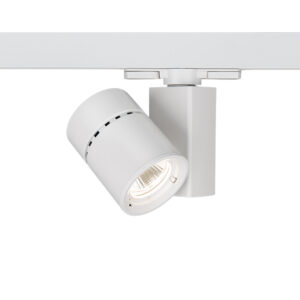 Exterminator II 1023 W Track Luminaire
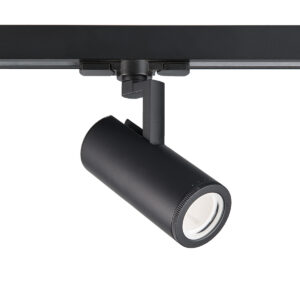 Paloma 4023 22W W Track Luminaire
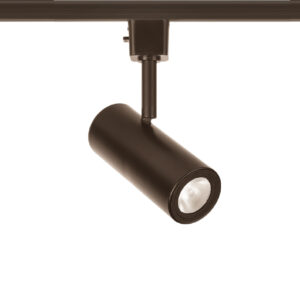 Silo X10 10W H/J/L Track Luminaire
Track lighting heads are the part of a track lighting system that actually determines how the light looks and feels in a space. While the track supplies power and defines layout, the head controls beam shape, brightness, glare, colour quality, and overall comfort.
This is why two track lighting installations using the same track can look completely different. The difference is almost always the heads. When heads are chosen correctly, track lighting feels architectural and intentional. When they are chosen poorly, the lighting feels harsh, uneven, or dated.
This guide focuses specifically on track lighting heads. It explains what they are, why they matter so much, how different head styles behave, and how to choose heads that suit your room, your layout, and the kind of lighting experience you want.
If you are looking for a full system guide that covers track types, connectors, and layout planning, that is handled separately. This page is about choosing the component that actually shapes the light.
What track lighting heads actually are
Track lighting head with built-in optics to control beam shape and light quality.
A track lighting head is the individual light fixture that clips into a powered track. It is sometimes called a track light, track head, or fixture head. Regardless of the name, it is the component that contains the light source, optics, and aiming mechanism.
Many people search for track lighting heads because they are replacing existing heads, upgrading older ones, or trying to improve a system that does not look or perform the way they expected. Others are planning a new installation and want to understand how head choice affects the result.
This distinction matters because the head is not just a decorative shell. Inside each head is an optical system that determines how light is shaped and delivered. This includes the beam angle, beam edge, glare control, colour accuracy, and brightness distribution.
Choosing the right head is less about matching a style and more about choosing how you want the light to behave in the room.
Designed and supplied by art lighting specialists
Why track lighting heads determine the quality of the light
The quality of light is defined by the track lighting head, shaping beam control and visual comfort.
Most lighting problems blamed on track lighting are actually head problems. Glare, uneven lighting, dull colours, and uncomfortable brightness are almost always the result of poor head selection rather than poor layout.
The head controls how focused or spread the light is. It controls whether the beam edge is soft or harsh. It controls whether light spills into unwanted areas or stays where it is intended. It also affects how accurately colours appear and how stable the light is over time.
Cheap or poorly designed heads often rely on raw brightness rather than optical control. They may appear powerful on paper, but in real use they create hotspots, excessive glare, or flat illumination. Better heads use optics to shape light deliberately, which creates comfort and visual clarity.
In short, the track delivers electricity. The head delivers the experience.
Spotlight track lighting heads
Spotlight track lighting heads produce a more concentrated beam of light designed to highlight specific areas or objects. They are commonly used for artwork, feature walls, shelving, and retail displays where contrast and focus matter.
A good spotlight head creates a clean, controlled beam with a defined edge. The light feels intentional and directs attention without spilling excessively into surrounding areas. This is what gives spotlight track lighting its premium, gallery-style look.
The difference between a good spotlight head and a poor one is not always obvious until the lights are on. Poor heads often have uneven beams, harsh edges, or excessive glare. Well-designed heads create smooth illumination that enhances the space rather than distracting from it.
Spotlight heads work best when used selectively. Their strength is contrast, not coverage.
Flood track lighting heads
Flood track lighting heads are designed to spread light over a wider area. Instead of focusing light tightly, they provide broader coverage that works well for general illumination and task lighting.
These heads are commonly used in kitchens, hallways, and open areas where even lighting is more important than dramatic contrast. They can also be useful in living spaces when the goal is comfort rather than accent.
The challenge with flood heads is avoiding flatness. When the beam is too wide or uncontrolled, the lighting can feel dull. High quality flood heads maintain even distribution while still offering some directionality.
Flood heads are most effective when spacing, brightness, and beam width are balanced properly.
Cylinder track lighting heads
Cylinder track lighting heads are popular in modern interiors because of their clean, architectural appearance. Their simple shape allows them to blend into contemporary design without drawing attention to the fixture itself.
Cylinder heads can function as either spot or flood lights depending on their internal optics. The outer shape does not determine performance. What matters is how the light is controlled inside the fixture.
In residential and commercial settings where aesthetics matter, cylinder heads are often chosen because they feel intentional and refined. They look designed rather than utilitarian.
Cylinder heads work best when the track layout is clean and the spacing is consistent. When overused or mixed without intention, they can lose their impact.
Adjustable and gimbal track lighting heads
Adjustable and gimbal heads allow greater aiming flexibility than fixed heads. They can tilt and rotate more freely, which makes them useful when the target is off-axis or when glare control is critical.
These heads are often used on sloped ceilings, angled walls, or spaces where the track cannot be placed directly over what needs to be lit. The extra adjustability allows the light to be aimed precisely without compromising comfort.
Quality matters here. Well-designed adjustable heads hold their position firmly once aimed. Lower quality versions can sag or shift over time, which undermines the clean look of the installation.
When used correctly, adjustable heads add precision without adding visual clutter.
Choosing track lighting heads that look modern
Modern track lighting heads use clean forms and controlled optics to create a refined, architectural look.
Track lighting heads look modern when they are proportioned correctly and designed around light control rather than decoration. Older heads looked dated because they were bulky, visually noisy, and relied on brute brightness instead of optics.
Modern heads are smaller, cleaner, and quieter visually. They disappear into the ceiling plane and let the light itself become the focus. This is what gives modern track lighting its architectural feel.
Finish also plays a role. Neutral finishes like black and white dominate modern track lighting because they integrate easily into contemporary interiors. Overly shiny or decorative finishes tend to date quickly.
A modern track lighting head does not try to stand out. It supports the space rather than competing with it.
Track lighting heads by room
Kitchen track lighting heads deliver balanced brightness and controlled beams.
Track lighting heads for kitchens
Kitchens require functional, comfortable lighting. Heads used in kitchens need to provide enough brightness for tasks while avoiding harsh glare on work surfaces.
Medium to wide beam heads are commonly used to light benches and islands evenly. Colour temperature is often chosen to balance clarity and warmth, depending on the style of the kitchen.
In modern kitchens, simple, clean head designs tend to work best alongside cabinetry and finishes.
Track lighting heads for living rooms
Track lighting heads in the living room shape soft, controlled light for comfort and atmosphere.
Living rooms benefit from layered lighting. Heads are often used to highlight artwork, wash walls, or create subtle zones rather than flood the entire space with brightness.
Narrower beams can add depth and atmosphere when used carefully. Dimming is particularly valuable in living spaces because it allows the lighting to adapt throughout the day.
Comfort and beam control matter more than raw output in these areas.
Track lighting heads for hallways
Hallways need even, calm lighting. Flood heads or wider beams often work best to avoid hotspots and harsh contrast.
Consistent spacing and careful aiming help create a smooth visual flow through the space. Track lighting heads in hallways should feel unobtrusive and comfortable.
Track lighting heads for retail and displays
Retail track lighting heads use focused beams to enhance product perception.
In retail and display environments, track lighting heads play a critical role in how products are perceived. Controlled beams, sufficient brightness, and accurate colour rendering are essential.
Heads used in retail are often higher output and more focused than residential heads. The goal is to create contrast that draws attention and enhances perceived quality.
In these spaces, head choice directly affects the customer experience.
Performance factors that matter when choosing track lighting heads
Track lighting head performance depends on beam angle, brightness, colour quality, and glare control.
Beam angle is one of the most important factors. It determines how concentrated or spread the light will be. Narrow beams create focus and contrast. Wider beams provide coverage and comfort.
Brightness must match the application. Underpowered heads are a common problem and often lead people to believe track lighting is inadequate when the real issue is fixture selection.
Colour temperature affects mood and perception. Warmer tones feel relaxed and residential. Neutral tones feel clean and commercial. Choosing the wrong temperature can make a space feel uncomfortable.
Colour rendering index, or CRI, determines how accurately colours appear. Low CRI heads can make spaces feel dull and lifeless even when brightness is adequate.
Dimming capability and driver quality affect usability and comfort. Poor drivers can cause flicker or noise, while good ones provide smooth, stable control.
Together, these factors define whether a track lighting head performs well in real use.
LED track lighting heads as the modern standard
LED track lighting heads provide stable output, long lifespan, and precise optical control for modern spaces.
LED track lighting heads are now the standard across residential and commercial applications. Older halogen heads are largely obsolete due to inefficiency, heat, and short lifespan.
Modern LED heads offer stable output, long service life, and better optical control. Many also include adjustable colour temperature, which adds flexibility and reduces the risk of choosing the wrong light.
High-quality LED heads are designed to maintain consistent colour and brightness over time, which is essential for spaces where appearance matters.
LED heads also integrate better with modern dimming systems when paired with quality drivers.
Common mistakes people make when choosing track lighting heads
Material store illuminated with track lighting to clearly showcase textures, colours, and product details.
One common mistake is choosing heads based on appearance alone. Lighting performance cannot be judged from photos.
Another mistake is ignoring beam angle and spacing. The wrong beam choice can create glare or flat lighting regardless of how attractive the fixture looks.
Underestimating brightness is also common. Spaces often end up dim because the heads chosen were not designed for the task.
Finally, mixing incompatible heads or track types can lead to installation issues and inconsistent results.
Avoiding these mistakes comes down to understanding how heads behave once installed, not just how they look on a screen.
Frequently asked questions about track lighting heads
Are track lighting heads universal?
No. Heads must match the track type they are designed for.
Can I replace old heads with new ones?
Yes, as long as the new heads are compatible with your existing track.
How many track lighting heads do I need?
This depends on room size, ceiling height, beam angle, and brightness.
Are LED track lighting heads dimmable?
Many are, but dimmer compatibility must be confirmed.
What heads work best in modern interiors?
Clean, slim heads with controlled beams and high light quality.
Choosing the right track lighting heads
Retail store using LED track lighting heads to create focused light and enhance product presentation.
Track lighting heads are the component that determines how lighting actually feels in a space. They shape the beam, control glare, define brightness, and influence mood. When chosen correctly, they make track lighting feel refined and intentional.
The key is to think about how you want the light to behave before thinking about how the fixture looks. Beam control, colour quality, and comfort matter more than decoration.
When heads are chosen with intent, track lighting becomes one of the most flexible and effective lighting systems available.
If you need help choosing the right track lighting heads for your space, start by defining the role of the light, then select heads that support that goal.