Blog
Linear Track Lighting
Linear track lighting system delivering clean architectural lines and flexible illumination.
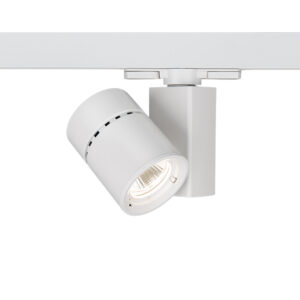 Exterminator II 1023 W Track Luminaire
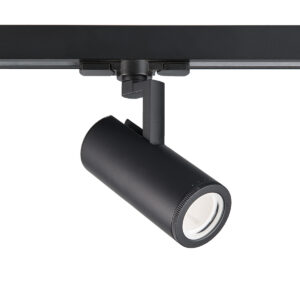 Paloma 4023 22W W Track Luminaire
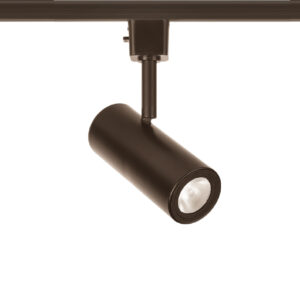 Silo X10 10W H/J/L Track Luminaire
The Modern Lighting System for Clean Lines, Flexibility, and Design Control
Linear track lighting has become one of the most important lighting systems in contemporary interior design. It combines the flexibility of traditional track lighting with a refined, architectural appearance that suits modern homes, commercial spaces, galleries, retail stores, and offices. Instead of bulky fittings or scattered ceiling lights, linear track systems introduce clean lines that integrate into the architecture while delivering highly adjustable, performance-driven lighting.
As spaces become more open-plan and multifunctional, lighting needs to be adaptable. Furniture layouts change, displays evolve, and design priorities shift over time. Fixed lighting struggles to keep up. Linear track lighting solves this by allowing fixtures to be moved, added, or repositioned without rewiring the ceiling. It is a future-ready lighting infrastructure.
What Is Linear Track Lighting
Slim linear track rail with adjustable lighting heads mounted along continuous run.
Linear track lighting refers to a straight, continuous track rail mounted to the ceiling or recessed into it, with adjustable light heads attached along its length. The “linear” aspect highlights its clean, uninterrupted form, which reads as a deliberate architectural element rather than a collection of separate fixtures.
Unlike standard track systems that can appear industrial, modern linear track lighting is designed with slim profiles and minimal visual weight. It works equally well in residential kitchens, living rooms, retail environments, galleries, and office spaces.
Designed and supplied by art lighting specialists
Why Designers Prefer Linear Track Lighting
Slim linear track rail with adjustable lighting heads mounted along continuous run.
Designers value linear track lighting because it aligns with contemporary architecture. Modern interiors often emphasize horizontal and vertical lines, open ceilings, and minimal visual clutter. Linear track reinforces these principles.
It provides flexibility without sacrificing aesthetics. Instead of filling ceilings with downlights, designers can use a few well-placed linear tracks to deliver task, ambient, and accent lighting together.
Flexibility That Adapts to the Space
Flexible lighting system adapting without rewiring or ceiling modification.
One of the core strengths of linear track lighting is adaptability. Lighting heads can slide along the track, rotate, and tilt. If a room layout changes, lighting can change with it.
In retail environments, displays move. In galleries, exhibitions rotate. In homes, furniture is rearranged. Linear track systems make these changes easy without electrical work.
A Cleaner Alternative to Downlights
Linear track lighting replacing multiple recessed fixtures for cleaner ceilings.
Traditional downlights create a dotted ceiling appearance. Linear track lighting offers a cleaner alternative. A single track run can replace multiple recessed fixtures while providing greater directional control.
This reduces ceiling penetrations and supports minimalist design.
Surface, Suspended, and Recessed Options
Suspended track forming discreet architectural lighting slot.
Linear track lighting can be installed in multiple ways.
Surface-mounted tracks sit directly on the ceiling, making installation simple. Suspended tracks hang lower, often used in commercial or high-ceiling spaces. Recessed linear tracks integrate seamlessly into ceilings, leaving only a thin slot visible.
This installation flexibility makes linear track suitable for many architectural conditions.
Lighting Layers with One System
Linear track system delivering task, ambient, and accent lighting layers.
Linear track lighting supports multiple lighting layers.
Heads aimed downward provide task lighting. Wider beams wash walls for ambient brightness. Narrow beams create accents. This layered approach adds depth and visual interest.
Ideal Applications for Linear Track Lighting
Linear track lighting used across residential, retail, gallery, and office environments.
Linear track lighting is used in homes, especially in kitchens and living areas, where clean ceiling design matters. In commercial spaces, it supports adaptable layouts. In galleries, it provides precision. In offices, it offers flexible task illumination.
Beam Control and Performance
Track heads can include wide beams for general lighting and narrow beams for focused highlights. This adaptability allows one track system to serve many lighting roles.
Color Quality and Comfort
High CRI linear track lighting ensuring accurate colour rendering.
High-quality linear track lighting systems use high CRI LEDs for accurate color rendering. Adjustable CCT options allow tones to shift from warm to cool, supporting different atmospheres.
Energy Efficiency and Longevity
Modern LED track systems are energy efficient and long lasting. Because heads can be replaced individually, maintenance is simple and cost-effective.
Future-Proof Lighting Infrastructure
Adaptable lighting system supporting evolving spatial requirements.
Linear track lighting is an infrastructure choice. The track remains while heads can be upgraded. This protects investment and keeps the space adaptable.
Conclusion
Clean-lined lighting system delivering performance without visual clutter.
Linear track lighting combines architectural aesthetics with practical flexibility. Its clean lines, adjustable heads, and adaptable design make it one of the most versatile modern lighting systems available. Whether used in homes, galleries, retail, or offices, it delivers performance without visual clutter.
Linear Track Lighting Design Strategies
Track lighting following spatial lines to enhance interior order.
One of the biggest advantages of linear track lighting is how naturally it works with architectural planning. Because the system is defined by clean straight runs, it can be used to reinforce the geometry of a space. Tracks can follow ceiling beams, align with cabinetry, mirror the direction of flooring planks, or emphasize circulation paths. Instead of feeling like an afterthought, lighting becomes part of the structural language of the interior.
In long, narrow spaces such as corridors, kitchens, or retail aisles, a linear track run helps guide movement visually. In wider open spaces, multiple parallel tracks can create rhythm and structure across the ceiling plane. This sense of order is one reason linear systems feel modern and intentional.
Creating Visual Hierarchy with Linear Tracks
Accent-focused track heads guiding attention within interior spaces.
Lighting is not only about brightness. It is about emphasis. Linear track lighting makes it easy to establish visual hierarchy by allowing different heads to serve different purposes along the same track.
Some heads can be set to wide beams to create a soft ambient base layer. Others can use narrow beams to highlight artwork, products, or architectural features. Because all heads sit on one linear system, the result feels cohesive rather than fragmented.
This controlled hierarchy prevents the space from feeling flat. Instead, surfaces and objects gain depth, contrast, and dimension.
Linear Track Lighting in Residential Spaces
Residential linear track lighting supporting open-plan living environments.
In homes, linear track lighting works especially well in open-plan layouts. Kitchens, dining areas, and living zones often share one ceiling. A linear system can move across these zones while heads are aimed differently to suit each function.
Over a kitchen island, heads provide task lighting. Over a dining table, they can be dimmed for atmosphere. In living areas, they can highlight artwork or textured walls. The track visually connects these spaces while allowing functional variation.
Linear tracks also suit minimalist homes where clean ceilings are a priority. A slim recessed track can almost disappear, leaving only the light effect.
Linear Track Lighting in Commercial Environments
Commercial track lighting enabling flexible retail and showroom layouts.
Retail stores benefit from flexibility because displays change frequently. Linear track lighting allows fixtures to be repositioned as merchandise moves. This keeps lighting aligned with the layout without costly rewiring.
In galleries and showrooms, the precision of track heads ensures artwork and objects are lit correctly. Linear tracks maintain a tidy ceiling appearance while delivering high-performance lighting.
Offices also benefit from track systems. Task lighting for desks, wall washing for brightness, and accent lighting for collaborative zones can all come from the same infrastructure.
Using Linear Tracks to Enhance Ceiling Height
Wall-washing track lighting visually lifting ceiling height.
Lighting can influence how tall a room feels. When vertical surfaces are illuminated, the eye reads the space as larger and more open. Linear track lighting can support this by aiming heads toward walls, creating a soft wash that visually lifts the ceiling.
In low-ceiling spaces, recessed linear tracks maintain a clean surface without visual drop. In high ceilings, suspended tracks bring light sources closer to the task plane while maintaining the linear design language.
Integration with Other Lighting Types
Track system balancing decorative and functional lighting roles.
Linear track lighting does not need to work alone. It often complements cove lighting, pendants, or recessed fixtures. The track system handles directional and accent roles, while other fixtures provide decorative or indirect layers.
Because track heads are adjustable, they can compensate if decorative lighting is moved or replaced. This balance between flexibility and design expression is a key strength.
Managing Glare in Linear Track Systems
Controlled beam track heads preventing harsh ceiling brightness
Modern track heads are designed with deep-set light sources and refined optics. This reduces glare and prevents the ceiling from appearing visually harsh. When heads are aimed correctly, the focus remains on illuminated surfaces rather than bright light sources.
This is especially important in environments with reflective materials such as polished floors, glass, or metal finishes.
Linear Track Lighting and Smart Control
Automated track lighting adapting to time-of-day use.
Many linear track systems are compatible with smart dimming and automation. Lighting scenes can be programmed for different times of day or activities. For example, a retail store might have a daytime display mode and an evening ambience mode. Homes can switch between task and relaxation scenes.
This integration enhances the adaptability that track lighting already provides.
Durability and Maintenance
Modular track lighting allowing individual fixture replacement.
Linear track lighting systems are built for long-term use. LED heads are energy efficient and long lasting. If a head fails or needs upgrading, it can be replaced individually without affecting the rest of the system.
This modular maintenance approach is one reason track systems are widely used in commercial environments.
Why Linear Track Lighting Is Future-Proof
Future-ready lighting system adapting to changing interior designs.
Design trends change, but adaptability remains valuable. Linear track lighting is not tied to one layout or function. As interiors evolve, heads can be repositioned, added, or upgraded.
This makes the system a long-term infrastructure choice rather than a short-lived design trend.
By combining architectural clarity, lighting precision, and future flexibility, linear track lighting continues to be one of the most versatile and forward-thinking lighting systems available today.
Frequently Asked Questions About Linear Track Lighting
Commercial linear track lighting supporting adaptable layouts with precise, professional-grade illumination.
What is linear track lighting?
Linear track lighting is a straight track system mounted on or recessed into the ceiling that allows adjustable light heads to be positioned and aimed anywhere along the rail. It combines clean architectural lines with flexible, directional lighting.
What is the difference between linear track lighting and regular track lighting?
Linear track lighting focuses on sleek, straight runs with a modern architectural appearance. Traditional track systems can look bulkier or more industrial, while linear tracks are designed to integrate visually into contemporary ceilings.
Where is linear track lighting typically used?
Linear track lighting is used in homes, kitchens, living rooms, galleries, retail stores, offices, showrooms, and hospitality spaces. It is ideal anywhere flexible, adjustable lighting is needed with a clean ceiling design.
Is linear track lighting suitable for residential spaces?
Yes. Linear track lighting works well in modern homes, especially in open-plan areas where kitchens, dining, and living spaces connect. It provides task, ambient, and accent lighting from one system.
Can linear track lighting replace downlights?
In many cases, yes. Linear track systems can provide broader coverage with fewer ceiling penetrations while offering more directional control than fixed downlights.
Are linear track lighting heads adjustable?
Yes. Track heads can slide along the track, rotate, and tilt to direct light exactly where needed. This allows the lighting to adapt to furniture layouts and design changes.
Is linear track lighting dimmable?
Most linear track lighting systems are compatible with dimmers, allowing brightness to be adjusted for different moods, times of day, or activities.
What beam angles are available for linear track heads?
Beam angles vary depending on the fixture, but typically include wide beams for general lighting and narrow beams for focused accents. This allows layered lighting within one system.
Does linear track lighting use LED technology?
Yes. Modern linear track systems use LED light sources for energy efficiency, long lifespan, and consistent color performance.
Can linear track lighting be recessed into the ceiling?
Yes. Many linear track systems offer recessed installation options, creating a minimal “slot” appearance for a clean architectural look.
Is linear track lighting good for high ceilings?
Yes. Suspended linear tracks can bring lighting closer to the task area in high-ceiling spaces while maintaining a streamlined appearance.
Can I add more lights to an existing linear track?
Yes. One of the main advantages of linear track lighting is the ability to add, move, or replace heads without changing wiring.
Does linear track lighting work with smart controls?
Many systems are compatible with smart dimmers and automation, allowing lighting scenes to be programmed for different uses.
Is linear track lighting energy efficient?
Yes. LED-based track systems use less energy than traditional lighting while providing strong, controlled output.
Why choose linear track lighting over decorative fixtures?
Linear track lighting prioritizes flexibility and performance while maintaining a clean, architectural look. Decorative fixtures can still be added separately if desired.