Blog
Recessed Track Lighting
Minimal ceiling slot lighting delivering architectural precision.
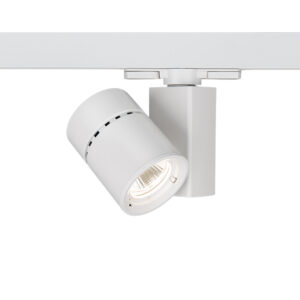 Exterminator II 1023 W Track Luminaire
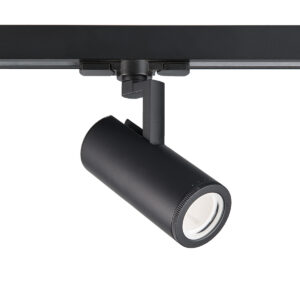 Paloma 4023 22W W Track Luminaire
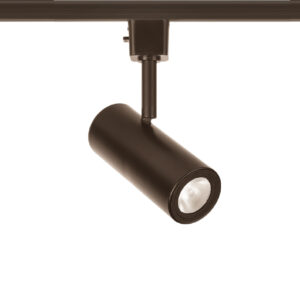 Silo X10 10W H/J/L Track Luminaire
The Complete Guide to Minimal, Architectural, and Flexible Ceiling Lighting
Recessed track lighting is one of the most refined lighting solutions available for modern interiors. It combines the flexibility of track systems with a clean, architectural appearance by integrating the track into the ceiling plane. Instead of visible rails sitting below the ceiling, recessed track lighting leaves only a slim slot visible, creating a seamless and design-led finish.
As interior design continues to move toward minimalism and clean surfaces, traditional surface-mounted lighting can feel bulky or visually intrusive. Recessed track lighting solves this by hiding the infrastructure while preserving full lighting flexibility. It is widely used in homes, galleries, retail stores, offices, and hospitality environments where performance and aesthetics must work together.
What Is Recessed Track Lighting
Adjustable track heads concealed within recessed ceiling channels.
Recessed track lighting consists of an electrified track rail installed flush within the ceiling. Power runs along the track, and adjustable light heads attach inside the recessed channel. The fixtures can still slide, rotate, and tilt like standard track lights, but the rail itself becomes part of the ceiling structure.
This integration allows lighting to perform multiple roles while maintaining a minimal visual footprint.
You’re working with dedicated art lighting experts
Why Recessed Track Lighting Is So Popular
Clean ceiling appearance supporting modern minimalist interiors.
One of the main reasons recessed track lighting is favored in modern design is its clean appearance. Instead of multiple ceiling fixtures or visible rails, you have subtle linear slots that align with architectural lines.
It also maintains the flexibility of track systems. Heads can be added, moved, or replaced without electrical rewiring. This makes it a future-proof lighting infrastructure.
A Minimal Solution with Maximum Flexibility
Adjustable recessed track heads maintaining uninterrupted ceiling surfaces.
Recessed track lighting offers the same adjustability as surface-mounted systems but with greater aesthetic integration. Designers can maintain uninterrupted ceiling planes while still achieving precise lighting control.
This balance of minimalism and performance is especially valuable in high-end residential projects and galleries.
Recessed Track Lighting in Homes
Residential recessed tracks illuminating kitchens, living rooms, and hallways.
In residential interiors, recessed track lighting is often used in kitchens, living rooms, hallways, and home offices. Over kitchen islands, it provides adjustable task lighting without visual clutter. In living rooms, it highlights artwork and washes walls to create depth.
Because the track is hidden, the ceiling remains visually calm while lighting remains adaptable.
Recessed Track Lighting in Galleries
Gallery recessed track lighting providing precise, glare-controlled illumination.
Art galleries require precise lighting control without distracting from the artwork. Recessed track lighting provides this control while keeping the ceiling unobtrusive. Fixtures can be repositioned as exhibitions change.
Recessed Track Lighting in Retail
Retail stores use recessed track lighting to maintain a clean ceiling aesthetic while directing light onto products. As displays move, heads can be adjusted to suit.
Recessed Track Lighting in Offices
Modern offices benefit from recessed track systems for task lighting, wall washing, and accent lighting. The clean ceiling appearance supports contemporary workplace design.
Surface-Mounted vs Recessed Track
Surface-mounted tracks are visible and easier to install in renovations. Recessed tracks require planning but provide a more integrated, architectural result.
We guide clients on choosing the right approach based on ceiling structure and design goals.
Beam Angles and Light Distribution
Controlled light distribution improving balance and comfort.
Track heads used in recessed systems come in various beam angles. Wider beams support general lighting and wall washing. Narrow beams create focused highlights.
Proper aiming ensures visual comfort and balanced illumination.
Reducing Ceiling Clutter
Recessed track lighting replaces multiple ceiling fixtures with a single integrated system. This supports minimalist design and reduces visual noise.
Installation Considerations
Recessed systems require ceiling depth and planning. They are typically installed in plasterboard or dropped ceilings. Early coordination with builders ensures smooth installation.
Energy Efficiency and Longevity
Modern recessed track lighting uses LED technology, providing efficient output and long lifespans. Modular heads can be replaced individually.
Future-Proof Design
Because heads can be repositioned and upgraded, recessed track lighting remains relevant as spaces evolve.
The Importance of Professional Guidance
Lighting layout, beam choice, and installation planning all affect performance. We guide clients through these decisions to ensure the system meets both visual and functional goals.
Advanced Layout Planning for Recessed Track Lighting
Intentional ceiling layouts enhancing architectural clarity.
A successful recessed track lighting installation starts long before fixtures are chosen. Because the system is built into the ceiling, layout planning is critical. The track should follow architectural logic rather than being placed randomly. Aligning the recessed slot with cabinetry lines, ceiling joints, beams, or circulation paths helps the lighting feel intentional.
For example, in a kitchen, a recessed track might run parallel to an island or along cabinetry runs. In a living space, it may follow the main seating direction or align with a feature wall. This structured placement ensures the lighting enhances the design rather than competing with it.
We help guide this planning process so the track location supports both aesthetics and functionality.
Recessed Track Lighting and Visual Comfort
Proper aiming reducing glare and visual discomfort.
One of the strengths of recessed track lighting is reduced visual clutter, but comfort depends on proper aiming. When heads are positioned too aggressively or pointed toward eye level, glare can occur. The goal is to direct light onto surfaces, not into sightlines.
Wall washing is a useful technique. By aiming heads toward vertical surfaces, rooms feel brighter and more spacious without increasing ceiling glare. This is particularly effective in living rooms, hallways, and commercial spaces.
Our guidance ensures beam angles and aiming strategies support comfort as well as brightness.
Ceiling Depth and Structural Considerations
Recessed track channels requiring sufficient ceiling cavity depth.
Recessed track lighting requires sufficient ceiling depth to house the track channel. This is usually achieved in plasterboard ceilings or dropped ceiling systems. Early coordination with builders and contractors is important to ensure structural framing allows space for the track.
In some renovations, shallow ceiling cavities can limit recessed options. In such cases, surface-mounted tracks may be more practical. We help evaluate ceiling conditions and recommend suitable solutions.
Recessed Track Lighting in Open-Plan Spaces
Recessed tracks defining zones in open-plan interiors.
Open-plan interiors benefit from recessed track lighting because it keeps the ceiling visually calm while defining zones. A track over a kitchen island, another over a dining table, and a third along a living room wall can organize the space without visible rails breaking up the ceiling.
Because heads are adjustable, each zone can have its own lighting character while still using one cohesive system.
Using Recessed Track Lighting to Highlight Architecture
Subtle ceiling slots reinforcing architectural geometry.
Recessed tracks can emphasize architectural features. Running a slot parallel to a feature wall draws attention to that surface. Aligning tracks with beams or structural lines reinforces the room’s geometry.
The slot itself becomes a subtle design line, similar to shadow gaps or architectural reveals.
Maintenance and Access
Although recessed track lighting looks minimal, it remains practical. Track heads can be removed individually for cleaning or replacement. This modularity ensures the system can be maintained without major ceiling work.
Because the infrastructure remains in place, future fixture upgrades are straightforward.
Energy Efficiency and Sustainability
Modular systems simplifying long-term upkeep.
Modern recessed track lighting systems use LED technology, offering high efficiency and long lifespans. Directional lighting also reduces wasted output by focusing light where it is needed.
This combination of efficiency and modular design supports long-term sustainability.
Creating Atmosphere with Recessed Systems
Adjustable color temperature supporting varied moods.
Recessed track lighting can support multiple lighting scenes. Bright settings are ideal for tasks, while dimmed levels create relaxed atmospheres. Some systems offer adjustable color temperature, allowing tone to shift from warm to cool.
This adaptability makes recessed track lighting suitable for both functional and social spaces.
Recessed Track Lighting as Long-Term Infrastructure
Choosing recessed track lighting is an investment in long-term flexibility. The track provides permanent power infrastructure, while heads can evolve as lighting technology advances. This future-proof approach reduces the need for major electrical changes later.
Why Professional Guidance Matters
Expert coordination ensuring recessed systems integrate seamlessly.
Because recessed systems require planning and coordination, expert guidance is essential. Layout, beam selection, ceiling depth, and aiming strategies all influence the final result. We help clients navigate these decisions so the system performs beautifully and integrates seamlessly.
Conclusion
Recessed track lighting delivers architectural minimalism, flexibility, and performance in one system. It keeps ceilings clean while offering adjustable, layered lighting that adapts over time.
FAQs About Recessed Track Lighting
What Is Recessed Track Lighting Used For?
Recessed track lighting is used to provide adjustable, directional lighting while keeping the ceiling clean and minimal. It is commonly used in modern homes, galleries, retail stores, offices, and hospitality spaces.
How Is Recessed Track Lighting Different from Surface Track Lighting?
Recessed track lighting is built into the ceiling so only a slim slot is visible. Surface-mounted track lighting sits below the ceiling and remains fully visible.
Does Recessed Track Lighting Reduce Ceiling Clutter?
Yes. Because the track is integrated into the ceiling, it replaces multiple fixtures with one streamlined system, supporting minimalist interior design.
Can Recessed Track Lighting Be Installed in Any Ceiling?
Recessed track lighting requires sufficient ceiling depth and is most commonly installed in plasterboard or dropped ceilings. Early planning is important.
Is Recessed Track Lighting Good for Open-Plan Spaces?
Yes. It keeps ceilings visually calm while allowing lighting zones to be created for kitchens, dining areas, and living spaces.
Can Recessed Track Lighting Heads Be Moved?
Yes. Fixtures can slide along the track and be aimed in different directions, just like standard track lighting.
Does Recessed Track Lighting Cause Glare?
When aimed correctly, recessed systems reduce glare because light sources sit deeper in the ceiling and can be directed toward surfaces instead of eyes.
Is Recessed Track Lighting Suitable for High-End Interiors?
Yes. It is widely used in luxury homes and architectural projects because of its clean, integrated appearance.
Can Recessed Track Lighting Be Dimmed?
Most systems are compatible with dimmers or smart controls, allowing brightness levels to be adjusted for different activities.
Do You Help Plan Recessed Track Lighting Layouts?
Yes. We guide layout design, beam angle selection, and installation planning to ensure both performance and aesthetics are achieved.
What Is Recessed Track Lighting?
Recessed track lighting is a track system installed flush within the ceiling, leaving only a narrow slot visible.
Is It Flexible Like Regular Track Lighting?
Yes. Light heads can be moved along the track and aimed as needed.
Is Recessed Track Lighting Suitable for Homes?
Yes. It is especially well suited to modern residential interiors.
Does Recessed Track Lighting Require Planning?
Yes. Ceiling depth and coordination with other trades are required for proper installation.
Do You Help Design Recessed Track Lighting Layouts?
Yes. We guide system planning, beam selection, and layout design to ensure optimal results.