Blog
Plug In Track Lighting
Ceiling-mounted track lighting with visible power lead.
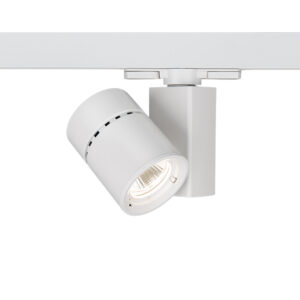 Exterminator II 1023 W Track Luminaire
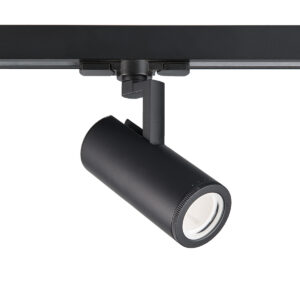 Paloma 4023 22W W Track Luminaire
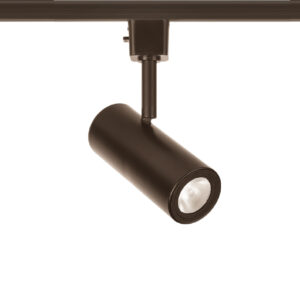 Silo X10 10W H/J/L Track Luminaire
Flexible Installation Without Permanent Wiring
Plug in track lighting offers the same flexibility and performance as standard track systems, but with an easier connection method. Instead of being hardwired directly into the ceiling’s electrical system, the track is supplied with a lead and a plug. This allows the system to be connected to a standard power outlet.
While traditional track lighting is typically hardwired for a seamless ceiling finish, plug in track lighting provides a practical alternative in situations where permanent wiring is not ideal. The lighting performance remains the same — the difference is simply how power reaches the track.
What Is Plug In Track Lighting
Track lighting installed without modifying ceiling electrical wiring.
Plug in track lighting is a track system supplied with a cable and plug instead of a fixed electrical connection. The track still functions as a powered rail, and adjustable light heads attach and move along it just like any other track lighting system.
This setup allows clients to enjoy the benefits of track lighting without modifying existing electrical wiring.
Designed and supplied by art lighting specialists
How It Differs from Hardwired Track Lighting
Track lighting rail supplied with cable and plug connection.
The key difference is the power connection. Hardwired track lighting connects directly to ceiling wiring and is controlled by a wall switch. Plug in track lighting draws power from a nearby outlet.
In terms of brightness, beam control, and flexibility, there is no difference. The same track heads and optics can be used.
When Plug In Track Lighting Is Useful
Plug-in track lighting drawing power from nearby outlet.
Plug in track lighting is especially useful in rentals, temporary spaces, or locations where ceiling wiring changes are difficult. It also works well in creative studios, home offices, or retail pop-ups where flexibility is important.
Because the track is not permanently wired, it can be relocated if the space changes.
Installation Simplicity
Flexible lighting solution for studios and pop-up retail.
Installing plug in track lighting is generally quicker than hardwiring. The track is mounted to the ceiling surface, and the cable runs to a nearby outlet. This reduces the need for electrical modifications.
However, careful cable routing ensures the setup remains neat and unobtrusive.
Maintaining a Modern Look
Even though a plug is used, the system can still maintain a modern aesthetic. Tracks can be positioned strategically, and cable runs can be managed along corners or architectural lines.
Lighting Performance Remains the Same
A plug in connection does not reduce lighting performance. The track still powers the same adjustable LED heads, providing directional task, ambient, and accent lighting.
Flexibility and Adaptability
Relocatable track lighting adapting to changing layouts.
Because the system is not permanently wired, it can be moved or expanded more easily. Additional heads can be added along the track, and layouts can change as needed.
Safety Considerations
Proper installation and cable management are important to ensure safety and a tidy appearance. We guide clients to ensure the setup meets practical requirements.
Energy Efficiency
Plug in track lighting uses the same energy-efficient LED technology as hardwired systems, providing long-lasting performance.
When Hardwiring May Be Better
Seamless ceiling appearance using fixed wiring.
In permanent installations where the cleanest look is required, hardwiring may still be preferred. We help assess which approach suits each project.
We Help Guide the Right Setup
Choosing between plug in and hardwired track lighting depends on the space, project timeline, and design goals. We guide clients to ensure the lighting solution matches their needs.
Conclusion
Plug in track lighting delivers professional lighting flexibility with easier installation. By supplying a track with a lead and plug, we provide a practical option for spaces where hardwiring is not ideal, while maintaining the same lighting performance and adaptability.
FAQs
Practical answers for plug-in track lighting users.
What Is Plug-In Track Lighting?
Plug-in track lighting is a track system powered by a standard electrical plug rather than being hardwired into the ceiling.
Does It Perform Like Hardwired Track Lighting?
Yes. Plug-in track lighting provides the same lighting output, flexibility, and adjustability as hardwired track systems.
Is Plug-In Track Lighting Suitable for Rentals?
Yes. Because it does not require permanent electrical wiring, it is well suited to rental properties and temporary installations.
Can Plug-In Track Lighting Be Moved?
Yes. Plug-in systems can be relocated more easily than hardwired track lighting when layouts or spaces change.
Do You Supply Plug-In Track Lighting Systems?
Yes. We can supply track lighting systems with a lead and plug to suit plug-in installation requirements.
Design Flexibility with Plug In Track Lighting
Track lighting positioned independently of ceiling junctions.
One of the biggest advantages of plug in track lighting is design freedom without being locked into fixed wiring points. Because the system is powered via a lead and plug, the track can be positioned wherever it delivers the best lighting result, rather than only where electrical junctions already exist. This is especially useful in older buildings, rentals, or spaces where ceiling wiring is limited.
For example, a living room might benefit from a track run that highlights a feature wall or artwork, but the existing ceiling wiring may be centered in the room. A plug in system allows the track to be mounted in the optimal location, with the power lead routed neatly to a nearby outlet.
Ideal for Temporary or Evolving Spaces
Easily removable lighting system for changing spaces.
Plug in track lighting works particularly well in spaces that change frequently. Retail pop-up stores, exhibitions, creative studios, and leased commercial spaces often require lighting that can be installed quickly and removed later without permanent electrical changes.
Because the system is not hardwired, it can be relocated as the layout evolves. This adaptability reduces installation costs and avoids the need for repeated electrical work.
Cable Management and Aesthetic Integration
A common concern with plug in systems is cable visibility. However, with thoughtful routing, the cable can be positioned along ceiling edges, corners, or architectural lines so it blends into the space. In many modern interiors, visible elements such as cable trays or conduits are already part of the aesthetic, making discreet cable routing straightforward.
We guide clients on track placement and cable routing to maintain a clean overall appearance.
Plug In Track Lighting in Residential Settings
Residential plug-in track lighting in apartments and rentals.
In homes, plug in track lighting is often used in apartments, studios, and rental properties where modifying the ceiling wiring is not possible. It can provide task lighting over desks, kitchen prep areas, or reading zones without invasive work.
Because the heads remain adjustable, the system offers the same directional control as a hardwired track.
Plug In Track Lighting in Commercial Use
Commercial users benefit from the speed and flexibility of plug in track lighting. Shop displays, temporary showrooms, or event spaces often require lighting that can be set up and reconfigured quickly. Plug in systems make this possible while still delivering professional lighting performance.
Performance Is Not Compromised
A plug in connection does not affect light output, beam control, or color quality. The same LED track heads are used as in hardwired systems. The difference is simply the power connection method.
Expansion and Upgrades
Plug in track lighting systems can be expanded by adding more heads or extending track runs. Because the system is modular, upgrades are straightforward. As lighting technology evolves, heads can be replaced while the track infrastructure remains.
Safety and Practical Considerations
Proper mounting, secure cable routing, and appropriate load limits are important. We ensure systems are specified correctly so they operate safely and reliably.
Energy Efficiency and Longevity
Long-life LED heads reducing maintenance needs.
Plug in track lighting uses LED heads with long lifespans and low energy use. This keeps operating costs low even in temporary installations.
When to Choose Hardwired Instead
Hardwired systems may be preferred in permanent installations where the most seamless appearance is required. We help clients weigh these factors when choosing between plug in and fixed wiring.
Why Professional Guidance Matters
Lighting design involves more than installation. Track layout, beam selection, and aiming strategies all influence results. We guide clients to ensure plug in track lighting delivers both performance and visual balance.
Additional FAQs About Plug In Track Lighting
Guidance for selecting and installing plug-in systems.
Is Plug-In Track Lighting Less Powerful Than Hardwired Systems?
No. Plug-in track lighting delivers the same lighting performance and output as hardwired track systems.
Can Plug-In Track Lighting Be Used on Ceilings?
Yes. Plug-in tracks are mounted to the ceiling in the same way as standard hardwired systems.
Is Plug-In Track Lighting Suitable for Rental Properties?
Yes. Plug-in track lighting avoids permanent wiring changes, making it ideal for rental spaces.
Can the Track Be Moved Later?
Yes. Plug-in track systems can be relocated more easily than hardwired installations.
Do Plug-In Track Systems Use the Same Light Heads?
Yes. The fixtures, optics, and beam options are identical to those used on hardwired track systems.
How Long Do LED Track Light Heads Last?
LED track heads typically last around 50,000 hours under normal usage conditions.
Can More Lights Be Added Later?
Yes. Additional light heads can be added along the track as lighting needs change.
Is Plug-In Track Lighting Safe?
Yes. When installed correctly and within electrical load limits, plug-in track lighting is safe to use.
Does the Power Cord Have to Be Visible?
No. The cord can be routed discreetly along architectural lines to minimize visual impact.
Do You Help Plan Plug-In Track Lighting Layouts?
Yes. We guide track placement, cable routing, beam selection, and overall layout design.