Blog
Track Lighting Kitchen
The Modern Way to Light a Functional and Beautiful Kitchen
Warm dimmed lighting supporting relaxed evening environments.
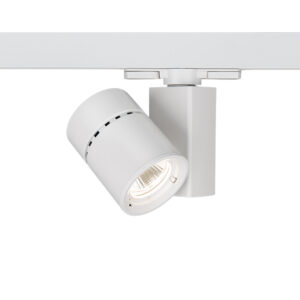 Exterminator II 1023 W Track Luminaire
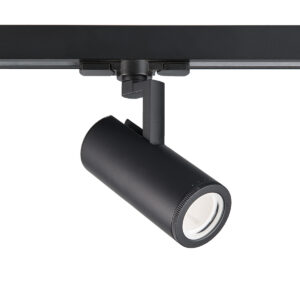 Paloma 4023 22W W Track Luminaire
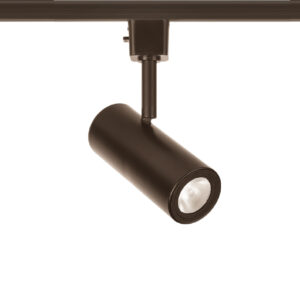 Silo X10 10W H/J/L Track Luminaire
The kitchen has changed more in the last twenty years than any other room in the home. It is no longer hidden away as a purely functional space. Today the kitchen is open, social, design driven, and often the visual centre of the home. Because of this shift, kitchen lighting now has to do far more than simply make things visible.
Good kitchen lighting must support cooking tasks, highlight materials and finishes, create atmosphere for entertaining, and adapt as the space evolves. This is exactly why track lighting in the kitchen has become one of the most popular and effective lighting solutions in modern homes.
Instead of relying on one central fixture or a rigid grid of downlights, track lighting gives you control, flexibility, and precision. It allows you to direct light where it is actually needed while keeping the ceiling clean and architectural.
What Is Kitchen Track Lighting
Layered kitchen lighting combining task, ambient, and accent illumination.
Track lighting is a system where multiple light heads are mounted along a continuous track fixed to the ceiling. Power runs through the track, allowing each fixture to be positioned and aimed independently.
In a kitchen, this means you can light different zones with different beam angles and directions, all from one streamlined system. Rather than lighting the room evenly and hoping for the best, you are shaping light intentionally across surfaces and features.
This approach is far more aligned with how kitchens are actually used.
Hear from art collectors and clients who trust us
Why Track Lighting Is Ideal for Kitchens
Track lights angled onto benchtops eliminating shadows during food preparation.
1 Task lighting where it matters most
Cooking is detail based. You are chopping, reading labels, checking doneness, plating food. Poor lighting creates shadows on benchtops, which makes tasks harder and less safe.
Track lighting allows you to aim beams directly onto work surfaces such as prep benches, sinks, and cooktops. Instead of light coming from behind you and casting shadows, the light can be angled forward to fully illuminate the task zone.
This precision is one of the biggest advantages of kitchen track lighting over traditional ceiling fixtures.
2 Perfect for kitchen islands
The island is often the heart of the kitchen. It is where people prepare food, sit, talk, and gather. It is also usually a long horizontal surface that needs even illumination.
Track lighting above an island allows you to space light heads evenly along the length, ensuring there are no dark patches. Unlike pendants, which create pools of light with gaps in between, track lights can provide consistent coverage across the whole surface.
You also keep the visual line of sight open, which is especially important in open plan homes.
3 Flexibility as the kitchen evolves
Kitchens rarely stay the same forever. Appliances move. Shelving is added. Layouts are updated. With fixed downlights, you are stuck with the original positions, even if they no longer align with the new design.
Track lighting solves this problem. You can slide fixtures along the track, change beam angles, or add and remove heads as needed. This makes it ideal for renovations and for homeowners who want future proof lighting.
4 Cleaner ceilings and a more architectural look
Modern kitchen design favors minimalism. Too many downlights can make the ceiling look cluttered and busy. Track lighting introduces strong linear lines that feel intentional and architectural.
Instead of dozens of small holes in the ceiling, you have a clean track that becomes part of the design language. This look is especially suited to contemporary, industrial, and minimalist kitchens.
Where to Use Track Lighting in the Kitchen
Track lights aimed toward benchtop surfaces for precise task illumination.
Over benchtops and prep areas
This is one of the most important zones. Aim track heads at a slight angle toward the benchtop to avoid shadows from your body blocking the light. A narrower beam can help create strong, focused task lighting.
Above the kitchen island
Run a track parallel to the length of the island. Use multiple fixtures spaced evenly to achieve consistent brightness. Adjustable heads allow you to fine tune the light to suit both food prep and social use.
Highlighting splashbacks and textures
Kitchens often feature stone, tile, or textured splashbacks. Angled track lighting can graze these surfaces, bringing out texture and depth. This adds a premium feel and turns functional materials into design features.
Open shelving and display areas
If your kitchen includes open shelves, glass cabinets, or display niches, track lighting can be aimed to highlight these features. This helps break up large wall areas and adds visual interest.
Dining zones within open kitchens
In open plan layouts, the kitchen often flows into a dining space. Track lighting can continue across zones, providing a cohesive look while allowing different heads to focus on the table, artwork, or walls.
Track Lighting vs Downlights in Kitchens
Directional track lights outperforming fixed downlights for task areas.
Many kitchens still rely heavily on downlights. While they provide general illumination, they have limitations.
Downlights are fixed and shine straight down. This often creates shadows on vertical surfaces like cabinetry and splashbacks. It also makes it difficult to light specific features without adding many more fixtures.
Track lighting, by contrast, is directional and adjustable. You need fewer fixtures to achieve better results because each head can be aimed exactly where it is needed. You also gain the ability to change the lighting as the space changes.
For design driven kitchens, track lighting offers far greater control and visual quality.
Choosing the Right Track Lighting for a Kitchen
Kitchen track lighting with balanced white color temperature.
Beam angle
For task areas like benches, a medium beam angle works well to provide focused but comfortable light. For general areas, a slightly wider beam can help create a more even feel.
Having adjustable heads with different beam options gives you the most flexibility.
Color temperature
Kitchens benefit from a balanced white light. Around 3000K to 3500K is popular, as it feels clean but not overly cold. This range also renders food and materials accurately.
If your kitchen connects to living areas, keeping a consistent color temperature helps maintain flow.
Brightness
Kitchens require more light than most other rooms. Look for high output track heads that can provide strong illumination without needing excessive quantities. Layering track lighting with under cabinet lighting can create a well balanced result.
Finish and style
Black, white, and minimal metallic finishes are common for kitchen track lighting. The track should complement other architectural elements like tapware, appliances, and cabinetry hardware.
Common Mistakes to Avoid
White track lighting system displayed on clean minimalist background.
One common mistake is using track lighting only for general lighting and ignoring task areas. Always prioritize benches and work zones first.
Another mistake is placing tracks too close to walls without considering beam spread. Ensure fixtures are positioned so light actually reaches the surfaces you want to highlight.
Finally, avoid mixing very different color temperatures in the same kitchen. This creates an inconsistent and uncomfortable environment.
The Design Advantage of Track Lighting in Kitchens
Track lighting sculpting light across kitchen materials and surfaces.
Track lighting is not just a technical solution. It is a design tool. It allows you to sculpt light, emphasize materials, and create visual hierarchy.
Bright, focused light on work areas communicates function. Softer, angled light on walls and textures communicates atmosphere. Together, they create a kitchen that feels both practical and refined.
This layered approach is what separates basic lighting from truly considered design.
Is Track Lighting Right for Your Kitchen?
Flexible lighting system supporting evolving kitchen designs.
If you want flexibility, a clean ceiling aesthetic, and lighting that can adapt as your kitchen evolves, track lighting is one of the best choices available. It works in small kitchens, large open plan spaces, and everything in between.
For homeowners and designers who value both function and form, track lighting offers a powerful balance of performance and visual appeal.
When planned correctly, it transforms the kitchen from a brightly lit room into a well lit environment that supports daily life and enhances the design.
Perfect. Let’s build this into a high authority pillar page for the track lighting kitchen keyword and push the SEO depth further for Track Lighting World.
Below is an additional ~1500 words including advanced design guidance, technical considerations, buyer intent content, and a strong FAQ section.
How Many Track Lights Do You Need in a Kitchen?
Evenly spaced track heads along kitchen prep bench.
This depends on layout, ceiling height, and how task heavy the kitchen is. A common mistake is under lighting the space because track systems look minimal. Remember, kitchens need more light than living rooms or bedrooms.
A useful guideline is to think in zones rather than total room brightness.
Prep and cooking zones
These require the strongest illumination. You want multiple heads aimed across the full length of the bench so shadows are eliminated. Typically, one adjustable track head every 2 to 3 feet along the main working bench is a good starting point.
Kitchen island
For a standard 8 foot island, three to four track heads spaced evenly usually provide excellent coverage. Longer islands may need five or more. Because heads are adjustable, you can fine tune after installation.
Perimeter and cabinetry
Instead of flooding the entire ceiling with downlights, track lighting can be angled toward cabinets and walls. This creates vertical illumination, which makes the kitchen feel brighter without harsh glare.
The goal is not just brightness. The goal is even, usable light where your eyes and hands actually work.
Ceiling Height and Track Lighting Performance
Ceiling height changes how track lighting behaves.
Standard 8 to 9 foot ceilings
Surface mounted track works well here. Choose fixtures with medium beam angles so the light spreads enough before reaching the work surface.
Higher ceilings
In kitchens with higher ceilings, you may need narrower beams or higher output heads to maintain brightness at bench level. Tracks also become more of a visual design element in taller spaces, reinforcing architectural lines.
Track Lighting Layout Tips Designers Use
Track lighting aligned with ceiling architecture for cohesive design.
Professional lighting designers follow simple but effective principles when using track lighting in kitchens.
Run tracks parallel to key surfaces
Instead of placing tracks randomly, align them with islands, long benches, or architectural lines. This creates order and visual flow.
Avoid placing tracks too close to walls
If fixtures are right against the wall, the light may overshoot and fail to illuminate the intended surface. Position tracks far enough from walls to allow proper beam coverage.
Use angles, not just downward light
Aiming some heads at vertical surfaces such as splashbacks and cabinetry adds depth. Purely downward lighting can make a kitchen feel flat.
Layering Track Lighting with Other Kitchen Lighting
Layered kitchen lighting balancing task and ambient light.
Track lighting works best as part of a layered approach.
Under cabinet lighting fills in shadows directly under upper cabinets.
Pendant lighting can be added for decorative emphasis over islands if desired.
Ambient lighting from track fixtures angled toward walls helps soften the space.
Track lighting becomes the flexible backbone that ties these layers together.
Track Lighting and Kitchen Style
Connected kitchen lighting responding to daily routines.
One of the biggest advantages of track lighting is how easily it adapts to different design styles.
Modern and minimalist kitchens benefit from slim black or white tracks that reinforce clean lines.
Industrial kitchens pair beautifully with exposed track systems that complement raw materials like concrete and steel.
Scandinavian kitchens use discreet white track lighting to keep ceilings uncluttered while maintaining strong function.
Because the system is modular, the visual presence can be bold or subtle depending on the chosen finish and fixture size.
Energy Efficiency and LED Track Lighting
LED track lighting reducing energy use in kitchen.
Modern track lighting uses LED technology, which is highly efficient and long lasting. Kitchens often have lights on for extended periods, so efficiency matters.
LED track heads offer strong brightness with low energy use. They also produce less heat than older technologies, which is beneficial in a space already filled with cooking appliances.
Why Homeowners Are Switching from Downlights to Track Lighting
Cleaner ceiling design using fewer adjustable fixtures.
Many homeowners renovating kitchens are moving away from grids of downlights. The reasons are practical and aesthetic.
Track lighting provides better control. It reduces ceiling clutter. It can be adjusted as layouts change. It highlights features rather than just creating flat brightness.
Most importantly, it delivers task performance and design appeal in one system, which is difficult to achieve with fixed ceiling lights.
Is Track Lighting Too Commercial for a Kitchen
Residential kitchen using slim architectural track lighting.
This is a common concern, but modern track systems are designed with residential aesthetics in mind. Slim profiles, clean finishes, and minimal hardware make them feel integrated rather than industrial.
In fact, track lighting often gives kitchens a higher end, architectural look that feels intentional and refined.
Long Term Flexibility
A kitchen renovation is a major investment. Track lighting protects that investment because it can adapt.
If you change cabinet layouts, add shelving, or reconfigure furniture, the lighting can move with the space. This is a major advantage over fixed lighting layouts that quickly become outdated.
Frequently Asked Questions About Track Lighting in Kitchens
Is track lighting bright enough for a kitchen
Yes. When properly specified, LED track heads provide more than enough brightness for cooking and prep tasks. The key is using enough fixtures and aiming them correctly at work surfaces.
Can track lighting replace downlights in a kitchen
In many cases, yes. Track lighting can provide both general and task lighting. Some kitchens still include a few downlights for fill light, but many modern designs rely primarily on track systems.
Where should track lighting be positioned in a kitchen
Tracks are commonly placed over islands, along main prep benches, and aligned with key architectural lines. Fixtures should be angled toward work areas and important surfaces.
What color temperature is best for kitchen track lighting
A neutral warm white around 3000K to 3500K is ideal. It feels clean and bright while still comfortable and flattering to materials and food.
Does track lighting work in small kitchens
Absolutely. Track lighting is excellent in small kitchens because fewer fixtures can do more work. Adjustable heads allow you to target every important area without overcrowding the ceiling.
Is track lighting hard to install
Installation is straightforward for a qualified electrician. Tracks are mounted to the ceiling and connected to power, and fixtures simply clip into place.
Can you add more lights later
Yes. One of the biggest advantages of track lighting is that you can add, remove, or reposition heads along the track at any time.
Is track lighting energy efficient
Modern LED track lighting is highly efficient and long lasting, making it a practical choice for kitchens where lights are used daily.