Blog
Low Profile Track Lighting
Sleek, Minimal Lighting for Modern Interiors
Low profile track lighting blending seamlessly into modern ceiling design.
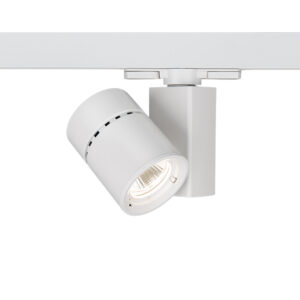 Exterminator II 1023 W Track Luminaire
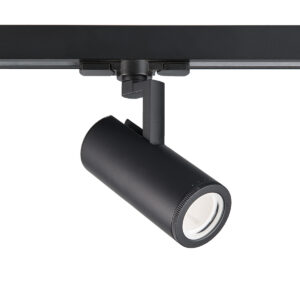 Paloma 4023 22W W Track Luminaire
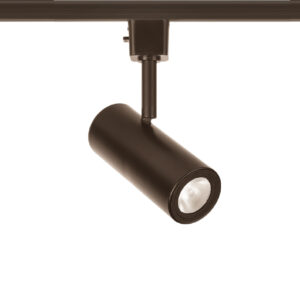 Silo X10 10W H/J/L Track Luminaire
Low profile track lighting is designed for spaces where visual clutter must be minimized without sacrificing lighting performance. It delivers the flexibility and directionality of track systems while keeping the hardware subtle, slim, and architecturally refined.
In modern homes, commercial interiors, and design driven environments, bulky lighting can interrupt clean ceiling lines. Low profile track lighting solves this by offering a streamlined system that blends into the architecture while still providing powerful, adjustable illumination.
If you want track lighting that feels integrated rather than obvious, low profile systems are an ideal solution.
What Is Low Profile Track Lighting
Minimal track lighting mounted close to ceiling surface.
Low profile track lighting refers to track systems with slim tracks and compact fixtures. The components sit closer to the ceiling and use minimal visual mass, creating a discreet appearance.
The system still functions like standard track lighting. Fixtures attach to a powered track and can be aimed or repositioned. The difference lies in the reduced size and refined aesthetic.
This makes low profile track lighting especially suitable for modern and minimalist spaces.
You’re working with dedicated art lighting experts
Why Low Profile Track Lighting Is Popular
Slim track lighting maintaining clean uncluttered ceiling appearance.
Clean ceiling aesthetics
Minimalist design favors uncluttered ceilings. Slim tracks and compact heads maintain visual calm.
Architectural integration
Low profile systems feel like part of the structure rather than applied equipment.
Flexibility without bulk
You still get adjustable lighting without heavy, industrial looking fixtures.
Ideal for residential use
Homes often require softer visual impact than commercial track lighting.
Where Low Profile Track Lighting Works Best
Low profile track lighting enhancing modern living room subtly.
Living rooms benefit from subtle feature lighting.
Kitchens gain task lighting without busy ceilings.
Hallways use it for clean, directional light.
Bedrooms benefit from soft, adjustable illumination.
Boutique retail spaces use it to maintain a refined aesthetic.
Low Profile Track Lighting vs Standard Track Lighting
Slim ceiling track lights offering lighter visual presence.
Standard track lighting can appear more technical or industrial. Low profile systems reduce visual weight while keeping the same core functionality.
The choice depends on whether the lighting should stand out or blend in.
The Role of Fixture Size
Compact track heads create a refined look. Smaller fixtures produce precise beams without dominating the ceiling visually.
This balance of performance and minimal presence is key to low profile lighting.
Design Considerations
Alignment
Tracks should follow architectural lines for cohesion.
Finish
Matte finishes reduce glare and visual distraction.
Beam angles
Mixing beam angles provides layered lighting even with small fixtures.
Low Profile Track Lighting in Open Plan Homes
Low profile track lighting defining zones in open plan interior.
Open plan spaces benefit from subtle lighting infrastructure. Low profile tracks define zones without overwhelming the ceiling.
Light Quality
Even though fixtures are small, modern optics and LED technology provide strong output and precise beam control.
Energy Efficiency
LED based low profile systems offer high efficiency and long lifespan.
Frequently Asked Questions
What is low profile track lighting?
It is a slim, discreet version of track lighting designed for minimal visual impact.
Is it bright enough?
Yes, modern LED fixtures provide strong output.
Does it suit modern interiors?
Yes, it is ideal for minimalist design.
Can fixtures be moved?
Yes, they retain track system flexibility.
Is it only for homes?
No, it also suits commercial spaces with refined aesthetics.
Perfect. Let’s deepen the low profile track lighting page into a true design + technical authority resource for Track Lighting World.
Below is ~1800 additional words plus an expanded FAQ section.
Why Minimalism Drives Demand for Low Profile Track Lighting
Clean modern space enhanced by subtle ceiling track system.
Interior design has shifted toward cleaner lines, fewer visual interruptions, and quieter ceilings. As spaces become more refined, bulky lighting systems can feel out of place.
Low profile track lighting responds to this shift. Instead of heavy rails and large heads, it offers slim tracks and compact fixtures that visually recede. The lighting becomes part of the architecture rather than a dominant object.
This balance between performance and restraint is why designers increasingly specify low profile systems.
The Difference Between “Small” and “Low Profile”
Low profile track lighting sitting close to ceiling surface.
Not all small fixtures are truly low profile. The term refers to both fixture size and how close the system sits to the ceiling.
A true low profile track system minimizes:
- Track depth
• Fixture height
• Visual bulk
The result is a lighting system that supports the space without visually weighing down the ceiling.
Low Profile Track Lighting and Ceiling Proportion
Ceiling height plays a big role in perception. In rooms with standard height ceilings, bulky lighting can make the space feel lower.
Low profile track lighting helps preserve vertical openness. Slim fixtures and shallow tracks maintain a sense of spaciousness, which is especially valuable in apartments and smaller homes.
Low Profile Track Lighting in Kitchens
Kitchens benefit greatly from low profile systems. Traditional track lighting can look busy when combined with cabinets, appliances, and architectural details.
Low profile tracks keep the ceiling calm while still allowing directional light over benches and islands. This supports both design clarity and task performance.
Living Rooms and Subtle Feature Lighting
Low profile track lighting highlighting artwork discreetly.
In living rooms, lighting should enhance atmosphere without drawing attention to itself. Low profile track lighting can highlight artwork, textured walls, or seating areas while remaining visually discreet.
This helps create layered lighting without introducing visual clutter.
Hallways and Circulation Areas
Narrow corridors benefit from lighting that provides direction without bulk. Low profile track lighting creates clean lines that guide the eye through the space.
Because fixtures are compact, the ceiling remains open and uncluttered.
Boutique Retail and Gallery Applications
Low profile track lighting focusing attention on retail displays.
Retail and gallery spaces often aim for a refined look. Low profile track lighting provides precision while maintaining visual quietness.
The focus stays on products or artwork, not the lighting hardware.
Beam Precision in Compact Fixtures
Modern LED technology allows small fixtures to deliver strong, controlled beams. Narrow optics can highlight features, while wider beams provide general illumination.
Low profile does not mean low performance.
Glare Control in Minimal Fixtures
Compact fixtures with recessed light source for comfort.
Compact fixtures must be well designed to avoid glare. Recessed light sources and proper optical design ensure comfort even when fixtures are small.
Good low profile track lighting balances discreet form with visual comfort.
Finish and Visual Integration
Matte finishes help fixtures blend into ceilings. Black can create graphic lines in modern spaces. White can nearly disappear on white ceilings.
Choosing the right finish enhances the low profile effect.
Low Profile Track Lighting vs Recessed Lighting
Recessed lighting hides fixtures entirely but lacks flexibility. Low profile track lighting provides directionality and adaptability while maintaining a subtle presence.
It is a middle ground between invisibility and flexibility.
Long Term Adaptability
Adjustable track fixtures supporting future interior updates.
Like all track systems, low profile track lighting allows fixtures to be repositioned or replaced. This ensures the system can evolve with the space.
The infrastructure stays the same while the lighting adapts.
Energy Efficiency
LED low profile track systems offer high efficiency and long lifespan. Small fixtures with strong output reduce the need for excessive quantities.
Expanded FAQ About Low Profile Track Lighting
What is low profile track lighting?
It is a slim track lighting system designed for minimal visual impact.
Is it suitable for small rooms?
Yes. It helps preserve ceiling height and openness.
Does it provide enough light?
Yes. Modern LED fixtures deliver strong brightness in compact forms.
Can fixtures be moved?
Yes. It retains full track lighting flexibility.
Is it good for kitchens?
Yes. It provides task lighting without busy ceilings.
Does low profile mean recessed?
No. It is surface mounted but designed to be visually discreet.
Can it highlight artwork?
Yes. Narrow beams allow precise accent lighting.
Is glare an issue?
Quality systems use optics to control glare.
Does it work in commercial spaces?
Yes, especially in refined retail and gallery environments.
Are finishes limited?
No. Matte black, white, and other finishes are available.
Is installation complicated?
Installation is straightforward for an electrician.
Can the system be expanded?
Yes. Additional track or fixtures can often be added.
Low profile track lighting delivers a rare balance: architectural subtlety with full lighting flexibility. It supports modern design by reducing visual clutter while maintaining directional performance.
For interiors that value clean lines and adaptable lighting, low profile track systems offer one of the most elegant solutions available.
Final Thoughts
Low profile track lighting balancing minimal design and performance.
Low profile track lighting combines performance with minimal visual presence. It delivers flexible, directional lighting while preserving clean architectural lines.
For modern interiors seeking subtle, adaptable lighting, low profile track systems offer a perfect balance.