Blog
Track Light Heads
The Key Component That Shapes How Track Lighting Performs
Track light heads defining brightness, beam control, and lighting performance.
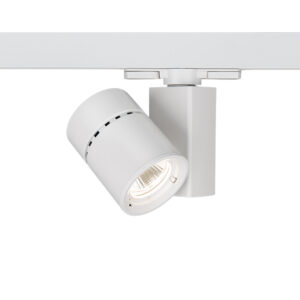 Exterminator II 1023 W Track Luminaire
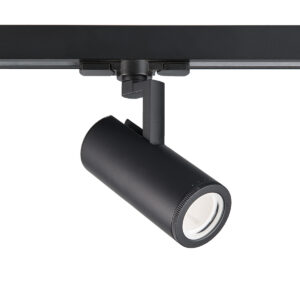 Paloma 4023 22W W Track Luminaire
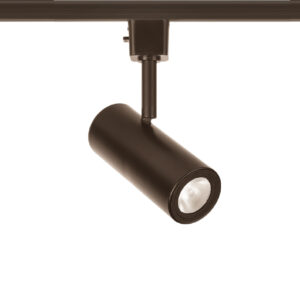 Silo X10 10W H/J/L Track Luminaire
Track light heads are the individual fixtures that attach to a track lighting system. While the track provides power and structure, it is the light heads that determine brightness, beam spread, direction, and overall lighting effect.
Choosing the right track light heads can completely transform how a space looks and functions. From focused accent lighting to wide general illumination, the head you select shapes the result.
Understanding how track light heads work helps you design better lighting and get more value from your track system.
What Are Track Light Heads
Individual fixtures that attach to and draw power from lighting tracks.
Track light heads are the movable fixtures that clip into a powered lighting track. Each head contains the light source, optics, and housing that direct light into the space.
Because they attach to the track via an adapter, they can be moved, removed, or replaced without changing the track itself. This makes them one of the most flexible components in modern lighting systems.
What art collectors and gallery clients say about us
Why Track Light Heads Matter More Than the Track
Lighting quality depends on head design and optics.
Many people focus on the track, but the heads determine performance.
They control:
- Brightness
- Beam angle
- Light direction
- Aesthetic style
- Energy efficiency
A track system with poor heads will not perform well, even if the track is high quality.
Types of Track Light Heads
Spot heads
Designed for narrow beams, spot heads highlight artwork, displays, or architectural features.
Flood heads
Wider beams provide general illumination or wash light over walls.
Adjustable heads
Most modern heads can tilt and rotate, allowing precise aiming.
Pendant adapters
Some heads allow pendants to hang from the track for decorative lighting.
Beam Angles Explained
Beam angles controlling light focus and spread.
Beam angle affects how concentrated the light is.
Narrow beams create dramatic highlights.
Medium beams balance focus and coverage.
Wide beams provide softer, general light.
Mixing beam angles creates layered lighting design.
LED Technology in Track Light Heads
Modern heads use LED light sources, offering long life and high efficiency. LED heads are compact and allow precise optical control.
Track Light Heads for Different Spaces
Track light heads tailored for residential and commercial spaces.
Kitchens need medium beams for task areas.
Living rooms benefit from adjustable accent heads.
Retail stores use spot heads for products.
Offices use a mix for task and ambient light.
Replacing Track Light Heads
One of the biggest advantages of track lighting is that heads can be replaced without removing the track.
Upgrading heads can improve performance, efficiency, and appearance.
Style and Finish
Heads come in finishes like black, white, and metallic tones. Choosing the right finish helps integrate lighting into the interior design.
Compatibility Matters
Track light heads must match specific track systems.
Track systems come in different standards. Ensure heads match your track type to avoid fitting issues.
Dimming and Control
Many track heads support dimming with compatible drivers and controls, allowing lighting levels to be adjusted.
Frequently Asked Questions
What are track light heads?
They are the individual fixtures that attach to a track lighting system.
Can track light heads be moved?
Yes, they can be repositioned along the track.
Can I replace old heads with new ones?
Yes, as long as they are compatible with the track.
Do track light heads use LED?
Most modern heads use LED technology.
How do I choose the right beam angle?
Narrow for accent, wider for general lighting.
Can heads be dimmed?
Yes, if compatible with dimming controls.
How Track Light Heads Connect to the Track
Secure electrical connection allowing modular lighting.
Each track light head uses an adapter that locks into the track and makes electrical contact. This adapter allows the head to draw power and remain securely mounted while still being removable.
The adapter is what makes track lighting modular. Without it, every fixture would need hardwired installation. Because of this system, track light heads can be repositioned or replaced in minutes.
This simple mechanical and electrical connection is the foundation of track lighting flexibility.
Optical Design Inside Track Light Heads
High quality lenses improving light efficiency.
What makes one track light head perform differently from another is the optical system inside.
High quality heads use lenses or reflectors to shape the beam. This controls how light spreads and where it falls. Good optics prevent wasted light and glare, ensuring brightness is directed where it is needed.
This is why two heads with the same wattage can perform very differently.
The Role of the LED Driver
Inside each LED track head is a driver that converts incoming power to the correct level for the LED.
A high quality driver ensures:
- Stable brightness
- Flicker free operation
- Longer lifespan
- Compatibility with dimming
The driver is invisible but critical to performance.
Choosing Track Light Heads by Purpose
Purpose driven heads supporting layered lighting design.
Task lighting heads
Used over desks, counters, or work surfaces. These often have medium beam angles for focused yet comfortable illumination.
Accent lighting heads
Designed to highlight artwork, shelving, or displays. Narrow beams create contrast and visual drama.
Ambient lighting heads
Wider beams provide general room brightness and soften shadows.
Mixing these types creates layered lighting.
Track Light Heads and Ceiling Height
Ceiling height influences beam selection.
Lower ceilings typically benefit from wider beams to avoid overly bright spots.
Higher ceilings often require narrower beams or higher output heads to maintain brightness at the subject.
Selecting the right head for ceiling height ensures balanced light.
Interchangeability and Upgrades
Modular design protecting long term lighting investment.
One of the strongest advantages of track light heads is the ability to upgrade without replacing the entire system.
You can replace older heads with newer, more efficient LED versions. You can switch styles as design preferences change. You can add specialized heads for new features.
This protects your investment in the track infrastructure.
Track Light Heads in Residential Spaces
In homes, heads are often used to highlight artwork, provide reading light, or illuminate architectural features. Their adjustability supports changing furniture layouts.
Because heads can be aimed, fewer fixtures are needed compared to fixed ceiling lights.
Track Light Heads in Commercial Spaces
Reaimable heads supporting flexible commercial layouts.
Retail stores use heads to spotlight products. Offices use them for task and ambient lighting. Hospitality spaces use them to create mood.
The ability to re aim heads as layouts change makes them ideal for dynamic environments.
Aesthetic Variety
Track light heads come in different shapes, sizes, and finishes. Some are minimal cylinders, others more decorative.
Choosing heads that match interior style helps integrate lighting into design rather than making it look purely technical.
Heat Management
LED heads generate less heat than older halogen versions. Good thermal design helps extend lifespan and maintain performance.
Maintenance and Longevity
Long lasting LED track light heads requiring minimal maintenance.
LED track light heads can last many years. When a head does need replacement, it can be removed individually without affecting the rest of the system.
Why Track Light Heads Are a Long Term Solution
Because they are modular, adjustable, and replaceable, track light heads adapt as spaces evolve. Few other lighting components offer this level of long term flexibility.
Additional FAQ About Track Light Heads
What are track light heads?
They are the individual lighting fixtures that attach to a track system.
Can I mix different types of heads?
Yes, mixing beams and styles creates layered lighting.
Do track light heads include the light source?
Most modern heads include integrated LED sources.
Are they dimmable?
Many are, when paired with compatible dimmers.
Can I replace one head without changing others?
Yes, heads are independent components.
How long do LED track heads last?
LED heads are designed for long service life under normal use.
Are track light heads suitable for kitchens?
Yes, especially for task and feature lighting.
Do they work in commercial spaces?
Yes, they are widely used in retail and offices.
Can I change finishes later?
Yes, heads can be swapped for different styles.
Are all heads compatible with all tracks?
No, compatibility depends on track system type.
Is installation difficult?
No, heads simply attach to the track.
Can I add more heads later?
Yes, most systems allow additional heads.
Track light heads are the core of track lighting performance. They control how light looks, feels, and functions in a space. Because they are modular and replaceable, they allow lighting systems to evolve with changing needs.
For anyone investing in track lighting, understanding and selecting the right light heads is the key to achieving both flexibility and long term value.
Final Thoughts
Replaceable heads ensuring long term flexibility.
Track light heads are the functional heart of a track lighting system. They determine how light is shaped, directed, and experienced.
By choosing the right heads, you gain flexibility, performance, and the ability to adapt lighting as spaces evolve.
For anyone using track lighting, understanding light heads is essential to getting the best results.