Blog
Tracklight
A Complete Guide to Modern Track Lighting Systems
Modern track lighting system installed in contemporary interior.
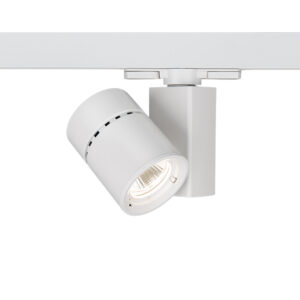 Exterminator II 1023 W Track Luminaire
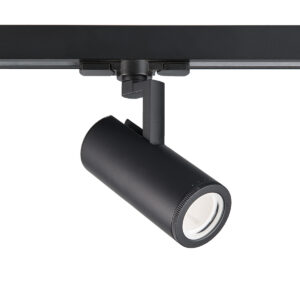 Paloma 4023 22W W Track Luminaire
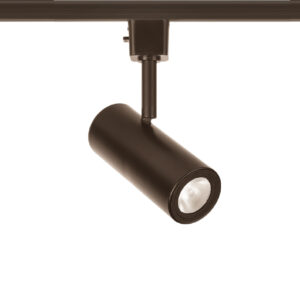 Silo X10 10W H/J/L Track Luminaire
A tracklight system is one of the most flexible and adaptable lighting solutions available today. Whether used in homes, retail stores, galleries, or offices, tracklights provide directional illumination that can be adjusted as needs change.
Unlike fixed ceiling lights, a tracklight setup allows individual light fixtures to move along a powered rail and be aimed exactly where illumination is needed. This makes it ideal for task lighting, feature lighting, and evolving spaces.
If you are researching tracklight systems, you are likely looking for lighting that combines performance, flexibility, and modern design.
What Is a Tracklight?
Tracklight fixture attached to powered ceiling track.
A tracklight refers to a lighting fixture that attaches to a powered track mounted on the ceiling or wall. The track provides electricity, and each light head can be positioned and aimed independently.
Rather than installing multiple hardwired fixtures across the ceiling, a single tracklight system acts as a lighting framework. Fixtures can be added, removed, or moved without changing the wiring layout.
This modular design is the core advantage of track lighting.
You’re working with dedicated art lighting experts
Why Tracklight Systems Are So Popular
Flexible tracklight system with adjustable light heads.
Flexibility
The biggest benefit of tracklights is adjustability. You can reposition fixtures as furniture moves, displays change, or lighting needs evolve.
Directional control
Each light can be aimed at a specific surface or object. This is especially useful for highlighting artwork, shelving, counters, or architectural features.
Expandability
Most tracklight systems allow additional fixtures or track sections to be added later.
Modern appearance
Tracklights create clean, linear lines that feel architectural rather than decorative.
How a Tracklight System Works
Powered ceiling track with attached adjustable fixtures.
A track contains internal conductors that carry electrical power. A power feed connects the track to the building wiring. Light heads attach to the track via adapters that make electrical contact.
Because the power runs through the track, fixtures are not limited to fixed ceiling points. This is what allows for movement and flexibility.
Where Tracklight Systems Are Used
Commercial interior using tracklights for product displays.
Homes use them in kitchens, living rooms, and hallways.
Retail stores use them to spotlight products.
Offices use them for task and ambient lighting.
Galleries use them to highlight artwork.
Restaurants use them to define seating areas.
Their versatility makes them suitable for nearly any interior environment.
Tracklight for Residential Spaces
Ceiling tracklight system illuminating bedroom.
In homes, tracklights provide both task and feature lighting.
In kitchens, they illuminate work surfaces.
In living rooms, they highlight walls and artwork.
In bedrooms, they can provide adjustable reading light.
Because the fixtures are movable, tracklights adapt easily as layouts change.
Tracklight for Commercial Spaces
Commercial spaces often need lighting that evolves. Retail displays move. Office layouts change. Hospitality spaces adjust seating arrangements.
Tracklight systems allow lighting to follow these changes without costly rewiring.
Beam Angles and Light Control
Narrow beam tracklight highlighting architectural feature.
Tracklight heads come with different beam angles.
Narrow beams create dramatic highlights.
Medium beams provide focused task lighting.
Wide beams offer general illumination.
Mixing beam angles within one track system creates layered lighting.
LED Technology in Tracklight Systems
Most modern tracklight fixtures use LED light sources. LEDs provide high efficiency, long lifespan, and compact size.
LED technology allows tracklights to be both powerful and discreet.
Tracklight vs Recessed Lighting
Recessed lights are fixed in place and shine straight down. Tracklights are adjustable and can be aimed.
While recessed lighting provides general brightness, tracklights provide flexibility and directional control.
Installation Overview
Tracklight systems are installed by mounting the track to the ceiling and connecting it to power. Fixtures then clip into the track and can be positioned as needed.
Installation should be done by a qualified electrician.
Maintenance and Longevity
Long lasting LED tracklight fixtures on ceiling track.
LED tracklight fixtures last many years and can be replaced individually if needed. This reduces maintenance compared to older lamp technologies.
Frequently Asked Questions
What is a tracklight?
It is a lighting fixture that attaches to a powered track and can be aimed and repositioned.
Are tracklights good for kitchens?
Yes, they provide adjustable task lighting.
Can fixtures be moved?
Yes, that is one of their main advantages.
Do tracklights use LED?
Most modern systems use LED technology.
Can I add more lights later?
Yes, most track systems are expandable.
Is tracklight modern?
Yes, it is widely used in contemporary design.
Perfect — let’s turn tracklight into a true pillar-level guide that builds trust and authority for Track Lighting World.
Here’s ~1300 additional words to deepen the page.
The Evolution of the Tracklight
Refined LED tracklights replacing older halogen fixtures.
Tracklight systems were once associated mainly with retail stores and galleries. Over time, advances in LED technology and modern design aesthetics have made them popular in residential interiors as well.
Older systems often used bulky halogen fixtures. Today’s tracklights are slimmer, more efficient, and more architecturally refined. This shift has moved track lighting from purely functional to both functional and design driven.
Modern tracklights now suit minimalist homes, boutique commercial interiors, and contemporary offices.
Why Tracklight Systems Are Future Proof
One of the biggest advantages of tracklights is adaptability. Interior layouts change over time. Furniture moves. Displays rotate. Workspaces evolve.
Because fixtures can be repositioned and new heads added, the lighting system can adapt without major electrical work. This makes tracklights a long term solution rather than a fixed design choice.
Tracklight Systems and Layered Lighting
Tracklight system providing ambient and accent lighting.
Good lighting design uses layers.
Ambient lighting creates general brightness.
Task lighting supports activities like cooking or working.
Accent lighting highlights features and textures.
A tracklight system can provide all three. Wide beams wash walls for ambient light. Medium beams illuminate work surfaces. Narrow beams highlight artwork or displays.
Few ceiling lighting systems offer this level of versatility in one infrastructure.
Tracklight in Open Plan Homes
Open plan spaces require lighting that defines zones without adding clutter. Tracklights help create invisible boundaries through direction.
A track line over a kitchen island defines the cooking area. Another over a seating zone highlights walls and furniture. Because the fixtures are adjustable, the lighting can be fine tuned as the space evolves.
Tracklight and Ceiling Design
Tracklight system following exposed ceiling beam.
Ceilings often go unnoticed until lighting is installed. Tracklights introduce clean, linear elements that can reinforce architectural geometry.
Tracks can run parallel to walls, follow structural beams, or align with furniture layouts. This adds order and visual rhythm to the ceiling plane.
Glare Control and Comfort
High quality tracklight fixtures are designed to minimize glare. Recessed light sources and optical control ensure light reaches the subject rather than shining directly into eyes.
This is important in both residential and commercial environments where visual comfort affects how long people can comfortably use the space.
Tracklight Finishes and Style
Metallic finish tracklight adding decorative accent.
Tracklight systems are available in various finishes, including black, white, and metallic tones. Finish choice affects how bold or subtle the lighting appears.
Black creates strong graphic lines. White blends with ceilings. Metallic finishes add decorative warmth.
Energy Efficiency and Sustainability
LED tracklight systems use less energy than older lighting technologies. They also last longer, reducing replacement frequency.
This makes tracklights a sustainable choice for homes and businesses aiming to reduce energy use and maintenance.
Tracklight vs Traditional Fixtures
Modern tracklight system offering greater flexibility.
Traditional ceiling fixtures are fixed in place. If the layout changes, the lighting may no longer suit the space.
Tracklights avoid this limitation by allowing movement and adjustment. This adaptability is one reason they are favored in modern design.
Maintenance Simplicity
Individual tracklight heads can be removed and replaced without affecting the entire system. This modularity simplifies maintenance and upgrades.
Final Perspective
Tracklight systems offer a combination of flexibility, performance, and architectural clarity that few lighting types match. They evolve with spaces, support layered lighting, and integrate into modern interiors.
Whether in homes, retail stores, or offices, tracklights provide a practical and design conscious solution for adaptable lighting.
Final Thoughts
Flexible ceiling tracklight system with directional lighting.
A tracklight system offers a rare combination of flexibility, performance, and clean design. It allows lighting to adapt to changing spaces while providing precise, directional illumination.
For both homes and commercial interiors, tracklights remain one of the most versatile lighting solutions available.