Blog
Lighting Track
The Complete Guide to Lighting Tracks in Modern Architectural and Commercial Lighting (Track Lighting World Blog)
Modern retail ceiling with linear black lighting track system
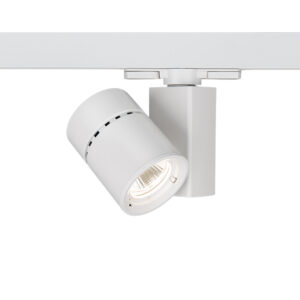 Exterminator II 1023 W Track Luminaire
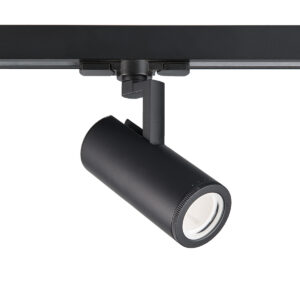 Paloma 4023 22W W Track Luminaire
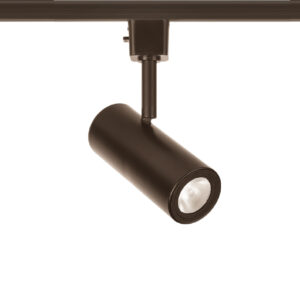 Silo X10 10W H/J/L Track Luminaire
A lighting track is the electrified rail that forms the backbone of a track lighting system, supplying power and mechanical support to multiple light fixtures mounted along its length. It is one of the most important components in modern lighting design because it allows flexible positioning, scalable layouts, and precise directional illumination within a single integrated system.
In architectural lighting, the lighting track is not just a mounting bar. It is a structured power channel that distributes electricity to adjustable luminaires while maintaining a clean and minimalist ceiling design. This makes it a preferred solution for galleries, retail environments, luxury homes, offices, and contemporary commercial spaces.
What is a Lighting Track
Track rail with multiple adjustable spotlights attached
A lighting track is a ceiling or wall-mounted rail containing internal electrical conductors that allow multiple light fixtures to be attached, powered, and repositioned anywhere along the track.
Unlike traditional lighting where each fixture is wired separately, a lighting track acts as a centralized power infrastructure. Once connected to a power source, the track distributes electricity along its length, enabling fixtures to draw power simply by connecting through an adapter.
This modular approach transforms lighting from a fixed installation into a flexible system that can evolve with the space.
You’re in expert hands when it comes to art lighting
The Core Role of a Lighting Track in a Track System
Continuous lighting track supporting pendants and spots
A complete track lighting system consists of three primary components: the lighting track, the power feed, and the lighting fixtures. The track itself carries the electrical current and serves as the mounting base for luminaires such as spotlights, pendants, and linear modules.
Because the lighting track functions as both the structural support and electrical channel, it allows multiple lights to operate from a single circuit without complex rewiring. This is why lighting tracks are often described as a “light highway” that powers and supports movable fixtures across a continuous rail.
How a Lighting Track Works
Track light adapter connecting into electrified rail
Inside the lighting track are insulated copper conductors that run along the rail and supply electricity to every connected fixture. When a track light is inserted into the rail adapter, it makes electrical contact with these conductors and immediately receives power.
This system allows fixtures to:
- slide along the track
- rotate and tilt
- be added or removed without rewiring
The result is a highly adaptable lighting solution where illumination can be adjusted as layouts, furniture, or displays change over time.
Types of Lighting Tracks
Modern interior showcasing various ceiling-mounted lighting track systems in different configurations.
Lighting tracks are available in several configurations depending on the scale and complexity of the project. Single-circuit tracks power all fixtures together and are commonly used in residential and small commercial environments. Multi-circuit or three-phase tracks allow different groups of lights to be controlled independently on the same rail, making them ideal for galleries, retail stores, and large architectural installations.
Low-voltage lighting tracks are also widely used in modern minimalist systems, particularly magnetic track lighting. These tracks use transformers or drivers to supply safe low-voltage power while supporting modular lighting components.
Surface Mounted Lighting Track
Surface-mounted black track across white ceiling
Surface mounted lighting track is installed directly onto the ceiling or wall and is one of the most common configurations due to its simplicity and versatility. It is frequently used in renovations, retail spaces, and modern residential interiors where recessed installation is not practical.
This type of track creates a clean linear visual element across the ceiling while providing full flexibility in fixture placement and direction.
Recessed Lighting Track for Architectural Minimalism
Trimless recessed lighting track integrated into ceiling
Recessed lighting tracks are integrated into the ceiling structure, creating a seamless and minimalist appearance. Only the fixtures remain visible, while the track itself blends into the architectural surface.
This approach is widely specified in luxury residences, museums, and high-end commercial environments where visual clarity and design purity are essential. Recessed lighting tracks reduce ceiling clutter and support a refined architectural lighting aesthetic.
Suspended Lighting Track Systems
Suspended track lighting in open-plan office
Suspended lighting tracks are typically used in spaces with high ceilings, open-plan layouts, or commercial environments. The track is hung from rods or cables to position lighting at an optimal height for effective illumination.
This method is especially effective in showrooms, offices, and hospitality venues where ceiling heights exceed standard residential levels and lighting precision is required.
Materials and Construction of Lighting Tracks
Matte black metal track with precision connectors
Most professional lighting tracks are manufactured from aluminum or metal profiles that provide durability, structural stability, and effective heat dissipation. Internal copper conductors ensure consistent electrical performance across the entire track length.
High-quality lighting tracks are engineered for long-term reliability, featuring secure connectors, precision joints, and durable finishes that withstand commercial and architectural use.
The finish of the track also plays a design role. Matte black tracks create strong architectural contrast, while white tracks blend seamlessly into ceilings for a minimalist appearance.
Lighting Track Layout and Design Strategy
Straight lighting track aligned with kitchen island
Lighting track layout is a critical aspect of professional lighting design. Tracks should be installed in straight, intentional runs that align with architectural features such as walls, kitchen islands, corridors, and display zones.
Well-planned track layouts enhance spatial clarity and visual rhythm, while poorly placed tracks can disrupt the design flow of a space. In open-plan interiors, lighting tracks can be used to define functional zones while maintaining a cohesive ceiling aesthetic.
Because fixtures can be repositioned along the track, lighting designers often use fewer track runs with higher-performance fixtures rather than overcrowding the ceiling with multiple lighting types.
Flexibility and Scalability of Lighting Tracks
Adjustable fixtures repositioned along ceiling rail
One of the defining advantages of a lighting track system is scalability. Additional fixtures can be added, repositioned, or upgraded without modifying the electrical infrastructure. This modular flexibility allows lighting to evolve alongside interior changes, making it a future-proof lighting solution.
Lighting tracks also allow designers to adjust illumination without drilling new holes or rewiring the ceiling, which significantly reduces renovation costs and installation complexity.
Lighting Tracks in Commercial and Retail Environments
Refined LED tracklights replacing older halogen fixtures.
Lighting tracks are widely used in commercial environments due to their flexibility and precision. Retail stores use track systems to highlight products, guide customer attention, and create visual focal points within displays.
Showrooms and exhibition spaces benefit from adjustable lighting layouts that can be modified as displays change. The ability to reposition luminaires along the rail ensures optimal illumination without redesigning the entire lighting system.
Lighting Track for Galleries and Museums
Gallery artwork illuminated by precise track spotlights
Galleries and museums rely heavily on lighting tracks because of their precision and adaptability. Artwork lighting requires accurate beam control and adjustable positioning, which track systems provide effectively.
Curators can easily reposition fixtures along the lighting track as exhibitions rotate, ensuring optimal illumination for different artworks without reinstalling electrical wiring. This flexibility is one of the primary reasons track systems are considered the industry standard in art lighting applications.
Lighting Tracks in Residential Interiors
Minimalist bedroom with white ceiling track
Modern homes increasingly use lighting tracks in living rooms, kitchens, and open-plan spaces where flexible and layered lighting is required. Instead of installing multiple downlights, a single track run can provide ambient, accent, and task lighting in one cohesive system.
Lighting tracks are particularly effective in minimalist interiors because they maintain a clean ceiling while offering high-performance illumination. When aligned with architectural lines, they enhance spatial design rather than competing with it.
Electrical Performance and Power Distribution
Multiple luminaires powered by single track circuit
Lighting tracks distribute electrical current evenly across all connected fixtures, ensuring consistent brightness and stable operation. Some advanced systems support digital lighting control interfaces, allowing individual luminaires to be independently controlled even when connected to the same track.
This electrical efficiency makes lighting tracks suitable for both residential and large-scale commercial installations where multiple light sources must operate reliably from a single power channel.
Future-Proof Infrastructure in Modern Lighting
Modular lighting system adaptable for renovations
Lighting tracks are considered a long-term infrastructure investment because they support fixture upgrades without replacing the entire system. As lighting technology evolves, new luminaires can be installed onto existing tracks, extending the lifespan and value of the lighting installation.
This adaptability is especially valuable in galleries, retail stores, offices, and architectural projects where lighting requirements frequently change.
Conclusion
Modern commercial space with integrated track lighting
A lighting track is the foundational element of modern track lighting systems, providing both electrical power and structural support for adjustable luminaires. Its modular design, flexibility, and architectural integration make it one of the most versatile lighting infrastructures available today.
By enabling repositionable fixtures, scalable layouts, and clean ceiling aesthetics, lighting tracks support contemporary design principles focused on flexibility, minimalism, and precision illumination. Whether used in residential interiors, galleries, retail environments, or commercial projects, a well-designed lighting track system delivers long-term performance, adaptability, and refined architectural lighting control.
FAQ – Lighting Track
What is a lighting track?
A lighting track is an electrified rail that supplies power and support to multiple light fixtures in a track lighting system.
Is a lighting track the same as track lighting?
No. The lighting track is the rail infrastructure, while track lighting includes the fixtures mounted onto the track.
Can lighting tracks be recessed into ceilings?
Yes, recessed and trimless lighting tracks are commonly used in minimalist and architectural lighting designs.
Are lighting tracks adjustable?
The track itself is fixed, but the fixtures attached to it can be moved, rotated, and repositioned along the rail.
Where are lighting tracks commonly used?
They are widely used in homes, galleries, retail stores, offices, showrooms, and museums due to their flexibility and precision lighting capabilities.
Can you add more lights to a lighting track later?
Yes, lighting tracks are modular and allow additional fixtures to be added or repositioned without rewiring.
Are lighting tracks suitable for modern interiors?
Yes, they are ideal for modern and minimalist interiors because they provide flexible lighting while maintaining a clean ceiling design.
Do lighting tracks require professional installation?
Professional installation is recommended to ensure electrical safety, correct compatibility, and optimal lighting layout.
How long does a lighting track system last?
High-quality lighting track systems can last for many years as they are durable infrastructure components that support long-life LED luminaires.