Blog
Types of Track Lighting
The Complete Guide to Track Lighting System Types, Styles, and Configurations
Contemporary ceiling featuring track systems.
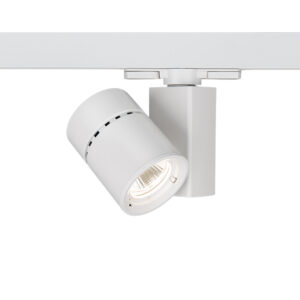 Exterminator II 1023 W Track Luminaire
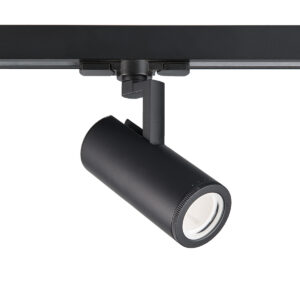 Paloma 4023 22W W Track Luminaire
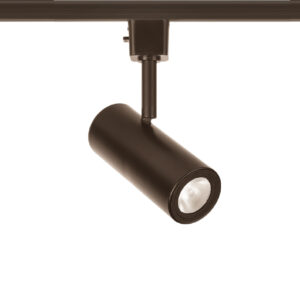 Silo X10 10W H/J/L Track Luminaire
Track lighting is one of the most versatile lighting systems used in modern residential, commercial, and architectural design. Unlike traditional fixed lighting, track lighting allows multiple light fixtures to be mounted along a powered rail, providing flexible positioning, directional control, and scalable lighting layouts.
Understanding the different types of track lighting is essential for selecting the correct system for a project. Each type varies in structure, electrical configuration, mounting method, and design application. Choosing the right type ensures optimal lighting performance, compatibility, and long-term flexibility.
Linear Track Lighting
Straight ceiling track with adjustable spotlights
Linear track lighting is the most common and widely used type of track lighting system. It consists of a straight electrified track rail installed on the ceiling or wall, with adjustable fixtures mounted along the length of the track.
This type of track lighting is ideal for modern interiors because it provides clean, structured lighting lines while allowing fixtures to be repositioned as needed. Linear track lighting is frequently used in living rooms, kitchens, galleries, retail stores, and offices where directional lighting and flexibility are required.
The simplicity of a straight track run also aligns well with minimalist and architectural design aesthetics, making it a preferred option in contemporary spaces.
You’re working with dedicated art lighting experts
Monorail Track Lighting
Monorail track lighting features a single rail system that can be shaped into curves or custom layouts rather than being limited to straight lines. This flexibility allows designers to create dynamic lighting compositions that follow architectural contours or unique ceiling designs.
Monorail systems are often used in decorative residential interiors and hospitality spaces where the track itself becomes a visual design element. While visually distinctive, they are typically less minimalist than standard linear track systems and are chosen more for design expression than architectural subtlety.
Flexible Track Lighting
Flexible track lighting is designed to be bent and shaped to suit unconventional layouts or curved architectural spaces. Unlike rigid linear tracks, flexible systems allow for creative installation paths that adapt to irregular room geometries.
This type of track lighting is particularly useful in creative retail environments, exhibition spaces, and modern interiors that feature curved ceilings or unique spatial designs. It offers both functional lighting and design flexibility in spaces where standard straight tracks are not suitable.
Surface Mounted Track Lighting
Surface track installed on white ceiling
Surface mounted track lighting is installed directly onto the ceiling or wall surface and is one of the most common installation types. It is ideal for renovations, commercial projects, and residential spaces where recessed installation is not feasible.
This type provides easy installation, strong flexibility, and a visible architectural lighting line that complements modern interiors. Surface mounted track lighting is widely used in retail stores, galleries, showrooms, and contemporary homes due to its practicality and adaptability.
Recessed Track Lighting
Recessed track lighting is installed flush into the ceiling, creating a seamless and minimalist appearance. Only the fixtures remain visible while the track itself blends into the ceiling architecture.
This type is commonly specified in luxury residential projects, museums, and high-end commercial environments where visual cleanliness and architectural integration are essential. Recessed track lighting reduces ceiling clutter and enhances the refined aesthetic of modern interiors.
Trimless recessed track systems offer an even more seamless look by eliminating visible track edges, making them a premium choice in architectural lighting design.
Suspended Track Lighting
Suspended track hanging in open-plan office
Suspended track lighting is mounted using rods or cables, lowering the track from the ceiling to a specific height. This configuration is especially effective in spaces with high ceilings, open-plan layouts, and commercial environments.
Suspended systems provide better light distribution in large spaces while maintaining the flexibility of adjustable track fixtures. They are commonly used in showrooms, offices, hospitality venues, and industrial-style interiors where ceiling height requires a more controlled lighting position.
Magnetic Track Lighting
Magnetic track lighting is a modern low-voltage track system that allows lighting modules to be attached magnetically rather than through traditional mechanical adapters. This system offers exceptional flexibility, allowing fixtures to be easily repositioned or replaced without tools.
Magnetic track lighting is popular in minimalist and luxury interiors due to its ultra-slim profile and modular design. It supports multiple lighting modules including spotlights, linear lights, and wall washers, making it one of the most advanced track lighting types available today.
Single Circuit Track Lighting
Single circuit track powering multiple spotlights
Single circuit track lighting powers all fixtures on the track from one electrical circuit, meaning all lights operate together. This type is commonly used in residential and small commercial environments where simple lighting control is sufficient.
It is a cost-effective and straightforward solution for spaces such as living rooms, kitchens, and small retail stores where independent lighting zones are not required.
Two Circuit and Three Circuit Track Lighting
Two circuit and three circuit track lighting systems allow multiple lighting groups to operate independently on the same track rail. This means different fixtures can be switched or dimmed separately while sharing the same physical track infrastructure.
These systems are widely used in galleries, retail stores, museums, and commercial environments where flexible lighting control is essential. Independent circuit control allows designers to create layered lighting scenes and adjust illumination based on changing displays or functional needs.
LED Track Lighting
Energy-efficient LED track lighting in showroom
LED track lighting refers to track systems specifically designed to support LED luminaires. These systems offer higher energy efficiency, longer lifespan, and better optical performance compared to traditional halogen track lighting.
LED track lighting is now the industry standard in modern lighting design due to its low energy consumption, reduced heat output, and superior lighting quality. It is suitable for residential, commercial, and architectural applications where performance and sustainability are priorities.
Wall Mounted Track Lighting
Wall mounted track lighting is installed on vertical surfaces rather than ceilings, providing directional lighting for artwork, feature walls, shelving, and architectural details. This type is commonly used in galleries, retail environments, and modern residential interiors where wall illumination is a key design focus.
Wall track systems offer flexibility and layered lighting while reducing ceiling clutter and maintaining a clean architectural look.
Ceiling Mounted Track Lighting
Ceiling track with adjustable directional fixtures
Ceiling mounted track lighting is the most traditional and widely used configuration. The track is installed directly onto the ceiling and supports adjustable fixtures that can be aimed throughout the space.
This type is ideal for general lighting, accent lighting, and task lighting across a wide range of environments including homes, offices, retail stores, and showrooms.
Decorative Track Lighting
Decorative track lighting combines functional lighting with aesthetic design elements. Fixtures may feature unique shapes, finishes, or materials that enhance the visual identity of the space while still maintaining track system flexibility.
This type is often used in hospitality venues, retail environments, and designer residential interiors where lighting contributes to the overall interior style.
Minimalist Architectural Track Lighting
Minimalist track lighting focuses on slim profiles, discreet fixtures, and clean linear layouts that integrate seamlessly into contemporary architecture. This type is widely used in luxury homes, galleries, and high-end commercial spaces where visual simplicity and precision lighting are priorities.
The emphasis is on performance and architectural integration rather than decorative presence.
Choosing the Right Type of Track Lighting
Modern interior with thoughtfully selected track lighting system.
Selecting the correct type of track lighting depends on several factors including ceiling height, architectural design, lighting purpose, and desired level of flexibility. Residential interiors often benefit from single circuit surface mounted or recessed systems, while commercial projects typically require multi-circuit tracks for advanced lighting control.
Minimalist interiors favor recessed or magnetic track systems, whereas retail and gallery environments often prioritize flexible linear track layouts with adjustable fixtures for precise highlighting.
Understanding the functional and aesthetic goals of a space ensures that the chosen track lighting type delivers both optimal illumination and design harmony.
Conclusion
Contemporary space illuminated by versatile track lighting
Track lighting is available in multiple types, each designed to suit different architectural, residential, and commercial lighting requirements. From linear and recessed systems to magnetic and multi-circuit configurations, each type offers unique advantages in flexibility, control, and visual integration.
By selecting the appropriate type of track lighting based on space, design intent, and lighting function, designers and property owners can create highly adaptable, future-proof lighting environments that combine performance, efficiency, and architectural sophistication.
FAQ – Types of Track Lighting
What are the main types of track lighting?
The main types include linear track lighting, recessed track lighting, suspended track lighting, magnetic track lighting, and multi-circuit track systems.
What type of track lighting is best for modern homes?
Recessed or minimalist linear track lighting is typically best for modern homes due to its clean aesthetic and flexibility.
What type of track lighting is used in galleries?
Galleries commonly use multi-circuit linear track lighting with adjustable fixtures for precise artwork illumination.
Is magnetic track lighting better than standard track lighting?
Magnetic track lighting offers greater modular flexibility and a slimmer profile, making it ideal for minimalist architectural interiors.
Can track lighting be installed on walls?
Yes, wall mounted track lighting is a common type used for artwork, feature walls, and architectural highlighting.
What type of track lighting is best for high ceilings?
Suspended track lighting is ideal for high ceilings because it lowers the light source to an effective illumination height.
Is recessed track lighting more expensive?
Yes, recessed systems typically require more planning and installation work but provide a more seamless architectural finish.
Can different types of fixtures be used on the same track?
Yes, compatible spotlights, linear lights, pendants, and wall washers can often be used on the same track system depending on compatibility.
Is LED track lighting a type of track lighting?
Yes, LED track lighting refers to track systems designed specifically for modern LED luminaires and high-efficiency lighting performance.