Blog
Track Lighting Bulbs (And Why Professional Track Lights No Longer Use Them)
The Modern Shift to Integrated LED Chips in Architectural Track Lighting
Powered ceiling track with attached adjustable fixtures.
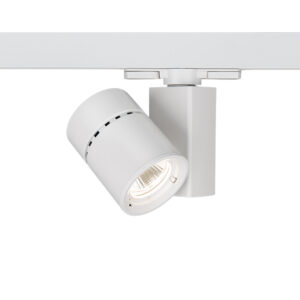 Exterminator II 1023 W Track Luminaire
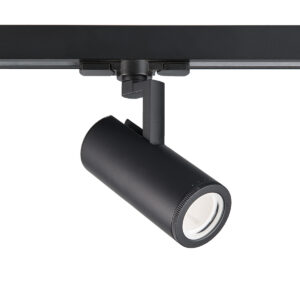 Paloma 4023 22W W Track Luminaire
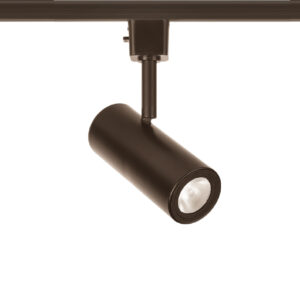 Silo X10 10W H/J/L Track Luminaire
In traditional track lighting systems, bulbs were once a standard component inside each track light fixture. Common options included GU10, MR16, and PAR bulbs, which could be replaced when they failed. However, in modern architectural and commercial lighting, this approach is rapidly becoming outdated.
Today, high-quality track lighting systems no longer rely on replaceable bulbs. Instead, they use integrated LED chips engineered directly into the fixture. This shift is driven by the demand for higher performance, longer lifespan, superior optics, and consistent light quality across professional lighting applications.
For galleries, luxury residential projects, museums, and high-end retail environments, integrated LED track lighting is now considered the industry standard.
Why Professional Track Lighting Does Not Use Replaceable Bulbs
Professional track light without visible bulb housing
Replaceable bulb systems were originally designed for convenience, not performance. While they allowed easy replacement, they introduced several limitations including inconsistent beam quality, shorter lifespan, and reduced optical precision.
Professional lighting design prioritizes consistency and control. Integrated LED chip fixtures eliminate the variability that comes with interchangeable bulbs and provide a more refined and reliable lighting output.
In architectural environments where lighting must perform at a high level for many years, built-in LED chips offer a significantly more advanced solution than traditional bulb-based track lights.
See Why Clients Trust Our Systems
Integrated LED Chips vs Traditional Track Lighting Bulbs
High-performance integrated LED chip mounted in track spotlight
The most significant difference between integrated LED track lights and bulb-based fixtures is engineering. With replaceable bulbs, the light source is generic and sits inside the fixture housing. With integrated LED systems, the entire fixture is designed around the LED chip, optics, and thermal management.
This allows for:
- superior beam control
- reduced glare
- higher color accuracy
- longer operational lifespan
- cleaner minimalist fixture design
Integrated fixtures are purpose-built lighting instruments rather than simple lamp holders.
Longevity and Lifespan Advantages
Commercial ceiling with durable integrated LED fixtures
One of the strongest reasons professional track lighting uses built-in LED chips is longevity. Traditional halogen or replaceable LED bulbs typically require regular replacement, especially in commercial environments where lights operate for long hours daily.
Integrated LED track lights, by contrast, are designed to last tens of thousands of hours with stable lumen output and minimal degradation. This dramatically reduces maintenance requirements in galleries, retail stores, and architectural installations.
For commercial projects, this longevity translates directly into lower operational costs and less disruption from maintenance cycles.
Optical Precision and Beam Quality
Sharp beam spotlight illuminating gallery artwork
Replaceable bulbs are limited in optical engineering because the fixture must accommodate a standard lamp shape. Integrated LED track lights allow manufacturers to design precision optics around the LED chip itself, resulting in cleaner beam edges, better focus, and more controlled light distribution.
This level of optical precision is essential in:
- art galleries
- museums
- showrooms
- luxury retail spaces
- architectural interiors
High-performance integrated track lights deliver consistent illumination that bulb-based systems struggle to match.
Consistency in Color Rendering
High CRI lighting enhancing artwork colors
Another major limitation of bulb-based track lighting is inconsistency in color rendering. Different bulbs, even with the same specifications, can vary in color tone and output over time.
Integrated LED chip fixtures are engineered for consistent color temperature and high CRI performance, ensuring accurate color representation for artwork, materials, and merchandise. This is especially critical in professional lighting environments where color accuracy directly impacts presentation and perception.
Thermal Management and Fixture Performance
High-quality track lighting delivering consistent long-term operation
Integrated LED track lighting fixtures are built with advanced heat sinks and thermal management systems that protect the LED chip and driver. This improves efficiency, extends lifespan, and maintains stable light output over many years.
Bulb-based systems often lack this level of thermal engineering, leading to overheating, reduced lifespan, and inconsistent performance.
Maintenance and Operational Efficiency
Commercial ceiling with maintenance-free LED track
From a maintenance perspective, integrated LED track lights are significantly more efficient than bulb-based systems. Instead of regularly replacing bulbs, the fixture is designed as a long-life lighting solution that operates reliably with minimal intervention.
This is particularly valuable in commercial and architectural environments where:
- ceiling access is difficult
- lighting downtime affects operations
- maintenance costs must be minimized
For galleries and retail projects, reducing maintenance cycles is a major operational advantage.
Design and Aesthetic Benefits of Built-In LED Chips
Slim minimalist track spotlight design
Integrated LED track lights also offer a cleaner and more minimalist aesthetic. Without the need to accommodate bulky bulb housings, fixtures can be designed with slim profiles, compact cylinders, and architectural forms that visually recede into the ceiling.
This aligns perfectly with modern design trends that prioritize:
- minimalism
- architectural lighting
- clean ceiling lines
- discreet fixtures
Bulb-based track lights are often larger and more visually intrusive due to their internal lamp requirements.
When Are Replaceable Bulb Track Lights Still Used
Replaceable bulb track lighting is still found in lower-cost residential systems and older installations. These setups are typically chosen for budget flexibility rather than lighting performance.
However, in professional lighting design for galleries, museums, and premium interiors, integrated LED chip fixtures are overwhelmingly preferred due to their reliability, optical precision, and long-term value.
The Industry Direction: Integrated LED as the Standard
Modern showroom using integrated LED track system
The lighting industry has clearly shifted toward integrated LED technology as the standard for modern track lighting systems. Architects, lighting designers, and commercial specifiers increasingly select fixtures with built-in LED chips because they deliver superior performance, consistency, and longevity compared to traditional bulb-based alternatives.
For high-end applications, integrated LED track lighting is no longer seen as an upgrade. It is the expected baseline.
FAQ – Track Lighting Bulbs and Integrated LEDs
Do modern track lights use bulbs?
Many professional track lights no longer use replaceable bulbs and instead use integrated LED chips built directly into the fixture.
Why are integrated LED track lights better than bulb-based track lights?
They offer longer lifespan, better beam control, consistent color rendering, and reduced maintenance compared to replaceable bulb systems.
Can you replace the LED chip in integrated track lights?
Integrated LED fixtures are designed for long operational life and typically do not require chip replacement like traditional bulbs.
Are bulb track lights outdated?
They are still used in budget residential systems, but professional architectural lighting has largely transitioned to integrated LED chip fixtures.
Do integrated LED track lights last longer?
Yes, high-quality integrated LED track lights can last significantly longer than traditional replaceable bulb track lighting systems.
Is integrated LED track lighting better for galleries and museums?
Yes, integrated LED fixtures provide superior color accuracy, optical precision, and long-term reliability, making them ideal for professional art lighting applications.
Why Integrated LED Chips Are the Professional Standard in Track Lighting
High-end gallery illuminated by integrated LED tracks
In high-performance architectural lighting, the shift from replaceable bulbs to integrated LED chips is not simply a technological upgrade. It is a fundamental evolution in how lighting fixtures are engineered, specified, and used in professional environments. Modern track lighting is no longer designed around a generic lamp that can be swapped in and out. Instead, the entire fixture is built around a purpose-designed LED chip, optics, driver, and thermal system that work together as a single lighting instrument.
This integrated approach results in significantly higher reliability, consistent light output, and superior long-term performance compared to traditional bulb-based track lighting systems. For lighting designers and specifiers, this level of engineering precision is essential, particularly in projects where lighting quality directly affects visual perception, atmosphere, and functionality.
Engineered Performance Rather Than Generic Light Sources
Integrated LED optic designed around light chip
Traditional track lighting fixtures that use GU10 or MR16 bulbs are essentially lamp holders. The performance of the light depends heavily on the quality of the bulb inserted into the fixture. This creates inconsistency, as different bulbs can vary in brightness, beam angle, and color rendering even when they appear similar on paper.
Integrated LED chip track lights eliminate this inconsistency. The LED chip, optics, and reflector are engineered together to deliver a specific beam shape, lumen output, and color temperature. This ensures that every fixture performs exactly as intended, without variation caused by interchangeable lamps.
For professional lighting applications such as galleries, museums, and premium retail spaces, this consistency is critical. Lighting must remain uniform across multiple fixtures to maintain visual harmony and accurate presentation.
Reduced Failure Points and System Reliability
Reliable commercial track lighting installation
Another major advantage of built-in LED chips is the reduction of mechanical and electrical failure points. Bulb-based systems rely on sockets, lamp contacts, and replaceable components that can loosen, degrade, or fail over time. Each replacement cycle also introduces the risk of incorrect installation or incompatible bulbs.
Integrated LED fixtures are sealed lighting units designed for long-term operation. With fewer replaceable parts, the overall system becomes more reliable and less prone to electrical instability or connection issues. This is particularly important in commercial and architectural installations where lighting downtime can disrupt operations or affect client experience.
Long-Term Cost Efficiency for Commercial Projects
Large retail space with efficient LED track
While integrated LED track lights may appear to have a higher upfront cost than bulb-based fixtures, they provide significantly greater cost efficiency over the lifespan of the system. Replaceable bulb systems require ongoing maintenance, frequent lamp replacements, and additional labor costs, especially in environments where lights operate for extended hours.
Integrated LED chip fixtures are designed for long operational lifespans, often lasting many years without the need for replacement light sources. This reduces maintenance expenses, minimizes disruption, and improves operational efficiency in retail stores, galleries, hospitality venues, and large commercial spaces.
From a lifecycle perspective, integrated LED track lighting is a more economical and sustainable investment.
Stability in Lumen Output Over Time
Uniform brightness in gallery lighting installation
One of the overlooked issues with replaceable bulb track lighting is lumen depreciation and inconsistency over time. As bulbs age or are replaced with different models, lighting levels can become uneven across a track system, creating visual imbalance within the space.
Integrated LED track lights are engineered to maintain stable lumen output and color consistency across their lifespan. This ensures that lighting performance remains uniform, which is essential in professional environments where visual precision and presentation quality must be maintained.
Consistent illumination is especially important in art lighting, where uneven brightness can distort the visual impact of displayed works.
Enhanced Glare Control Through Integrated Design
Anti-glare recessed LED track spotlight
Glare control is significantly improved in track lighting fixtures that use built-in LED chips. Because the fixture is designed specifically around the LED source, manufacturers can incorporate deep-set light engines, anti-glare reflectors, and precision lenses that reduce harsh brightness and visual discomfort.
Bulb-based fixtures often expose the light source more directly, resulting in higher glare levels and reduced visual comfort. In contrast, integrated LED track fixtures provide smoother, more refined illumination that enhances the user experience in residential, commercial, and gallery environments.
This refined optical control is a key reason why integrated LED systems are widely specified in architectural lighting projects.
Sustainability and Environmental Considerations
Energy-efficient track lighting supporting sustainable interior design
Integrated LED chip track lighting also aligns with modern sustainability goals. Because the fixtures are designed for long-term use, they reduce the frequency of replacements and minimize waste associated with disposable bulbs. Lower energy consumption combined with extended lifespan contributes to reduced environmental impact over the lifetime of the lighting system.
In large-scale commercial installations, the environmental benefits become even more significant, as reduced maintenance cycles and lower energy usage support broader sustainability targets and operational efficiency strategies.
A More Refined Specification for Designers and Architects
Restaurant interior featuring thoughtfully specified track lighting system
For architects and lighting designers, specifying integrated LED track lighting simplifies the design process. Instead of selecting fixtures and then separately choosing compatible bulbs with the correct beam angle, color temperature, and lumen output, integrated fixtures provide a complete, performance-engineered solution.
This allows for more precise lighting calculations, predictable performance, and cleaner documentation during the design and specification phase. It also ensures that the installed lighting matches the intended design vision without variability introduced by aftermarket bulb changes.
In professional lighting design, predictability and precision are essential, which is why integrated LED chip fixtures have become the preferred specification standard.
Future-Proof Lighting Infrastructure
Modular track lighting designed for long-term adaptability
As lighting technology continues to evolve, integrated LED track fixtures represent a future-proof approach compared to traditional bulb-based systems. Modern fixtures are designed with advanced drivers, high-efficiency LED chips, and long-term durability that support evolving lighting requirements without constant component replacement.
For property developers, gallery owners, and commercial operators, investing in integrated LED track lighting ensures that the system remains relevant and high-performing for many years. Rather than managing ongoing bulb replacements and performance inconsistencies, the lighting infrastructure operates as a stable, professional-grade solution.
This long-term reliability, combined with superior optical performance and minimal maintenance, reinforces why integrated LED chip track lighting is now the benchmark in modern architectural and commercial lighting design.