Blog
Track Lighting for Office: Why It’s the Smart Choice for Modern Workspaces
Track lighting highlights bakery wall displays with flexible, directional illumination
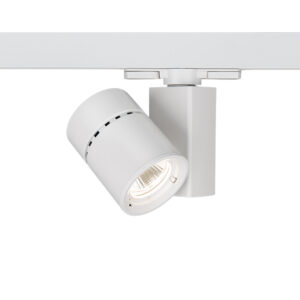 Exterminator II 1023 W Track Luminaire
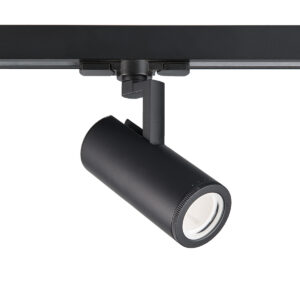 Paloma 4023 22W W Track Luminaire
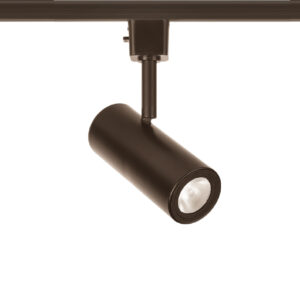 Silo X10 10W H/J/L Track Luminaire
Modern offices are evolving fast. Open floor plans, flexible work zones, hot-desking, collaborative hubs, and hybrid teams demand a lighting solution that’s as adaptable as the people working beneath it. That’s why track lighting has surged in popularity — it offers flexibility, efficiency, aesthetics, and a level of control that traditional overhead lighting simply can’t match.
If you’re considering updating your office lighting or planning a new build-out, here’s everything you need to know about using track lighting in office environments — from design benefits and technical requirements, to implementation tips and when it makes sense (or doesn’t).
What Makes Track Lighting Ideal for Offices?
Adjustable beam angle track lighting adapts easily to changing office layouts
Flexibility to Match Changing Office Layouts
- Re-configurable layout: Desks move, breakout sections switch, collaboration zones pop up — with track lighting, you can reposition heads, adjust angles, or add new fixtures without rewiring.
- Scalable over time: As your team grows, or your office layout evolves, track systems scale elegantly: just drop in more fixtures.
- Mixed lighting zones: One track can power a combination of spotlights, floods, pendants — letting you tailor lighting for workstations, lounges, meeting rooms, or reception areas.
Clean, Modern Aesthetic
Track lighting complements contemporary office design: exposed ceilings, minimalistic interiors, open-plan desks, concrete or industrial finishes. It adds architecture-grade lighting without bulky fixtures, conduits, or ceiling grid interruptions.
Better Light Quality for Work Environments
- Directional and controlled light: You can aim lights to avoid glare on screens, while brightening shared spaces or accent walls.
- Consistent illumination: High-quality LED track fixtures deliver stable brightness, even light spread, and excellent color rendering — enhancing visibility and comfort.
- Adjustable atmosphere: Through beam angle selection, CCT (color temperature), and dimming, you can adapt light to different activities — focused work, meetings, breaks, or evening clean-up.
Energy Efficiency & Maintenance Ease
LED track fixtures consume less energy than large panel lights or floodlamps, run cooler, and require minimal maintenance. If one unit fails, you swap only that head — no whole-lamp replacements or heavy fixture removal. For facilities managers, that means lower long-term cost and fewer disruptions.
Trusted by Clients Across Different Spaces and Industries
Key Considerations When Planning Office Track Lighting
Black track lighting delivers clean, modern aesthetics for contemporary workspaces
Before buying or installing, it’s critical to understand the technical and practical details that make track lighting right (or wrong) for your space.
1. Assess Space & Use Cases
Ask:
- What’s the ceiling height?
- Will desks remain fixed, or will layout change frequently?
- Do you need ambient light, task lighting, or both?
- Will there be zones: workstations, collaboration areas, lounge, reception?
- Any special lighting needs: presentation boards, reception logos, display walls?
2. Choose the Right Fixtures
For office use, look for:
- Wattage & output: 20W–30W LED heads for general use; 35W–40W for high ceilings or large open areas.
- Beam-angle options: wide floods for ambient lighting; medium or narrow spots for focused tasks or accent areas.
- Color temperature (CCT): 3500–4000K is ideal for offices — neutral, professional light; consider 3000K in lounge/break zones for warm, relaxed feel.
- High CRI (90+): ensures accurate color reproduction, comfortable lighting for skin tones, and natural-looking spaces.
- Dimming capability: useful for meeting rooms, relaxed zones, or energy savings after hours.
3. Plan Track System Layout
Because track lighting is modular:
- Use continuous track lines for open areas, or grid patterns for segmented zones.
- Include power feeds, connectors, end caps — ensure system is complete.
- If you have exposed ceilings or high ceilings, consider suspension kits for proper positioning.
4. Consider Maintenance & Flexibility
- Choose a supplier with consistent stock: if you expand or need replacements, you want identical fixtures.
- Keep a few spare heads and drivers on hand — replacements in commercial spaces need to be quick.
- Use modular wiring and control systems (dimmer circuits, motion sensors, timed lighting) for energy efficiency and flexibility.
How Offices Use Track Lighting Effectively: Real-world Applications?
Track lighting provides precise, glare-controlled illumination in laboratory environments
Here are practical examples of how office settings benefit from track lighting — and how to implement it for maximum impact.
Workstation Areas
- Install wide-beam floods spaced evenly over desk zones.
- Use medium-beam adjustable fixtures to avoid glare on monitors.
- Maintain even light distribution across work surfaces.
Meeting Rooms / Conference Rooms
- Use directional spotlights angled toward tables or walls.
- Add dimmers for presentation use — bright for daylight conditions, dimmed for video calls or mood lighting.
- Consider pendant-style fixtures or track-mounted pendants for a refined look.
Reception & Lobby Zones
- Highlight signage, artwork, and brand logos with narrow spot beams or adjustable flood heads.
- Use warm CCT (3000K) to promote welcoming ambience.
- Mix ambient light with accent lighting for depth and visual interest.
Breakout / Lounge Areas
- Use softer-beam floods or pendant heads for relaxed lighting.
- Combine with warm CCT to enhance comfort.
- Provide adjustable lighting to support flexible use (casual chats, focused breaks, after-hours work).
Hallways & Transition Zones
- Use track lighting instead of recessed downlights — easier to reposition if layouts change.
- Keep fixtures aligned to architectural lines for clean visual flow.
- Ensure even coverage to minimize dark patches or glare.
Common Mistakes Offices Make — And How to Avoid Them
Suspended track lighting supports flexible lighting control in open commercial spaces
Overhead Panels Instead of Directional Lighting
Panel lights give flat, uniform illumination but fail to provide depth or flexibility. They can create glare or feel institutional. Track lighting offers controlled, targeted lighting that adapts over time.
Wrong Beam Angles or Fixture Spacing
Too narrow beams = harsh spots; too wide beams = wasted light. Without proper planning, you’ll end up with dark zones or wasted energy.
Solution: plan layout, test angles, and use a mix of beam angles for balanced lighting.
Ignoring Color Temperature & CRI
Using cheap fixtures with low CRI or harsh CCT makes the office feel cold or unnatural. Employees feel discomfort; video calls and branding look poor.
Solution: choose CRI 90+, CCT 3500–4000K (or warm 3000K for lounge zones) for best results.
Neglecting Future Flexibility
Once tracks and heads are installed rigidly, modifications are costly. That defeats one of track lighting’s main advantages.
Solution: install continuous tracks; leave slack for adding heads or rearranging later.
Buying from Retail-Grade Suppliers
Retail track kits are fine for homes but rarely designed for commercial load, runtime, or maintenance cycles. They may have poor build quality or low-lumen output — not suitable for offices.
Solution: buy from commercial-grade suppliers who stock LED track heads, accessories, and support commercial installs.
Budgeting & Cost — What Offices Should Expect?
Laboratory track lighting allows re-aiming fixtures as work zones evolve
Track lighting isn’t “cheap” like a basic bulb — but it delivers value. Typical cost breakdown:
- Standard 20–30W commercial LED track head: mid-range cost (varies by quality and options).
- Full lighting kit (rails + heads + connectors + installation): depends on office size — small workplaces can stay modest; larger open-plan offices or multi-floor deployments will require higher investment.
- Savings over time: reduced electricity (LED efficiency), less maintenance, long lifespan, flexible reconfiguration — often making track lighting cost-effective over 3–5 years.
When done right, track lighting balances upfront cost with long-term benefit — functionality, aesthetics, energy savings, flexibility, and employee comfort.
How to Implement Track Lighting in Office: Step-by-Step?
Track lighting follows workspace layouts for adaptable, efficient office illumination
- Define your requirements — layout, zones, usage, mood, future flexibility.
- Develop a lighting plan — sketch floor plan, mark work areas, meeting zones, breakout zones, reception, hallways.
- Choose your fixtures — wattage, beam types, CCT, CRI, dimming options.
- Plan track layout and accessories — rails, connectors, feeds, suspension kits if needed.
- Source from a reliable, commercial-grade vendor — prioritize quality, stock availability, warranty, and support.
- Install carefully — permit and compliance if required — ensure wiring and mounting meet code.
- Adjust and test — aim beams, check glare, confirm evenness, adjust spacing if needed.
- Keep spares and document layout — useful for future maintenance or expansion.
Why Using a Trusted Supplier Matters for Office Installations?
White track lighting enhances brightness and clarity in modern office interiors
For a successful office track lighting installation, a supplier should offer:
- high-quality fixtures designed for commercial use (not residential kits)
- full accessory kits (rails, connectors, feeds, etc.)
- consistent stock — useful for multi-floor offices or multi-site rollouts
- warranty and after-sales support — reduces risk if fixtures fail or need replacement
- technical advice: layout planning, beam selection, spacing guidance, dimming options
A supplier who understands commercial lighting ensures your project is smooth, compliant, and built to last — not just a one-off lighting job.
Final Thoughts: Track Lighting — The Flexible, Efficient, Stylish Lighting Choice for Offices
Black track lighting adds architectural focus while maintaining flexible light control
As offices continue to evolve, so must the lighting systems that support them. Track lighting offers unmatched flexibility, adaptability, aesthetic appeal, and long-term value. Whether you’re building a start-up workspace, a design firm, a co-working hub, or a corporate headquarters, track lighting gives you control — over light, layout, mood, and growth.
If you’re ready to upgrade your office lighting, consider track lighting as more than just fixtures: see it as an investment in productivity, comfort, flexibility, and future-ready workspace design.
When you choose the right track lighting system — with quality fixtures, appropriate specs, and proper planning — you enhance your workspace and set the tone for years of efficient, flexible, and visually appealing office life.